
Breast Health
What Causes Breast Pain?
Common causes of mastalgia and when it should be assessed
Breast pain is one of the most common complaints that women may experience at any stage of their lives. Whilst the pain is sometimes caused by hormonal changes linked to the menstrual cycle, it can also arise from various other causes, such as pregnancy, breastfeeding, breast cysts, infections or musculoskeletal problems. Although it is not usually a sign of a serious illness, in some cases it may require a detailed assessment.
One of the questions my patients ask most frequently is, “Is breast pain normal?” The answer depends on how the pain began, how long it has lasted, whether it is felt in one breast or both, and whether there are any other accompanying symptoms. For this reason, when assessing breast pain, it is not just the presence of the pain that is important, but also its nature and the patient’s clinical history.
In this guide, I will discuss in detail—based on scientific evidence—the most common causes of breast pain, when there is no need for concern, which symptoms warrant an immediate visit to a doctor, and what can be done to relieve breast pain.
What is Breast Pain (Mastalgia)?
Breast pain, medically known as mastalgia, is a common complaint characterised by pain, tenderness, a burning sensation, a stabbing pain or a feeling of fullness in the breast tissue. A large proportion of women may experience breast pain at some point in their lives. In most cases, this pain is due to benign causes and is not associated with breast cancer.
Breast pain can occur in one breast or both. In some women, the pain only occurs before their period, whilst in others it can occur independently of the menstrual cycle. The severity of the pain can range from mild tenderness to a level that may affect daily life.
When assessing breast pain, it is not only the severity of the pain that matters; it is also important to consider how long it has been present, its relationship to the menstrual cycle, whether it is felt in a specific area, and whether there are any additional symptoms such as a palpable lump, skin changes or discharge from the nipple. This information helps to identify the cause of the pain.
Not all breast pain requires treatment. However, in cases of pain that persists, is felt predominantly in one breast, is gradually worsening, or is accompanied by other symptoms, it would be advisable to seek an assessment from a plastic surgeon or a doctor specialising in breast surgery.
What Causes Breast Pain?
There is no single cause of breast pain. Pain can arise from a variety of causes, ranging from hormonal changes to everyday habits, and from benign breast conditions to infections. In most cases, it is not a sign of a serious health problem. However, the underlying cause should be investigated by assessing the duration and severity of the pain, as well as any other accompanying symptoms.
The most common causes of breast pain are as follows:
Menstrual Cycle and Hormonal Changes
The most common cause of breast pain is hormonal changes. In particular, fluctuations in oestrogen and progesterone levels during the second half of the menstrual cycle can lead to swelling and tenderness in the breast tissue. This pain is usually felt in both breasts and tends to subside or disappear completely once menstruation begins.
Pregnancy and breastfeeding
Due to rising hormone levels during pregnancy, the breasts may become larger, fuller and more sensitive. Similarly, during the breastfeeding period, milk production, engorgement of the milk ducts or cracked nipples may also cause pain. Pain experienced during these periods is generally considered to be physiological.
Can Breast Cysts and Benign Breast Conditions Cause Pain?
Breast cysts, fibrocystic changes and some benign breast lumps can also cause pain. Cysts containing fluid, in particular, may cause tenderness from time to time. In such cases, it is advisable to undergo a clinical examination and, if necessary, an ultrasound scan.
Muscle, Chest-Wall and Activity-Related Pain
Some of the symptoms that patients describe as breast pain do not actually originate from the breast tissue, but from the chest muscles, ribs or chest wall. Pain that develops following strenuous exercise, muscle strain or poor posture, in particular, can be mistaken for breast pain.
Breast Infection: Pain, Redness, Warmth and Fever
Infections such as mastitis, which are particularly common during breastfeeding, may be accompanied by breast pain, redness, swelling and a fever. In such cases, you should consult a doctor without delay.
Breast Pain After Surgery or Breast Implants
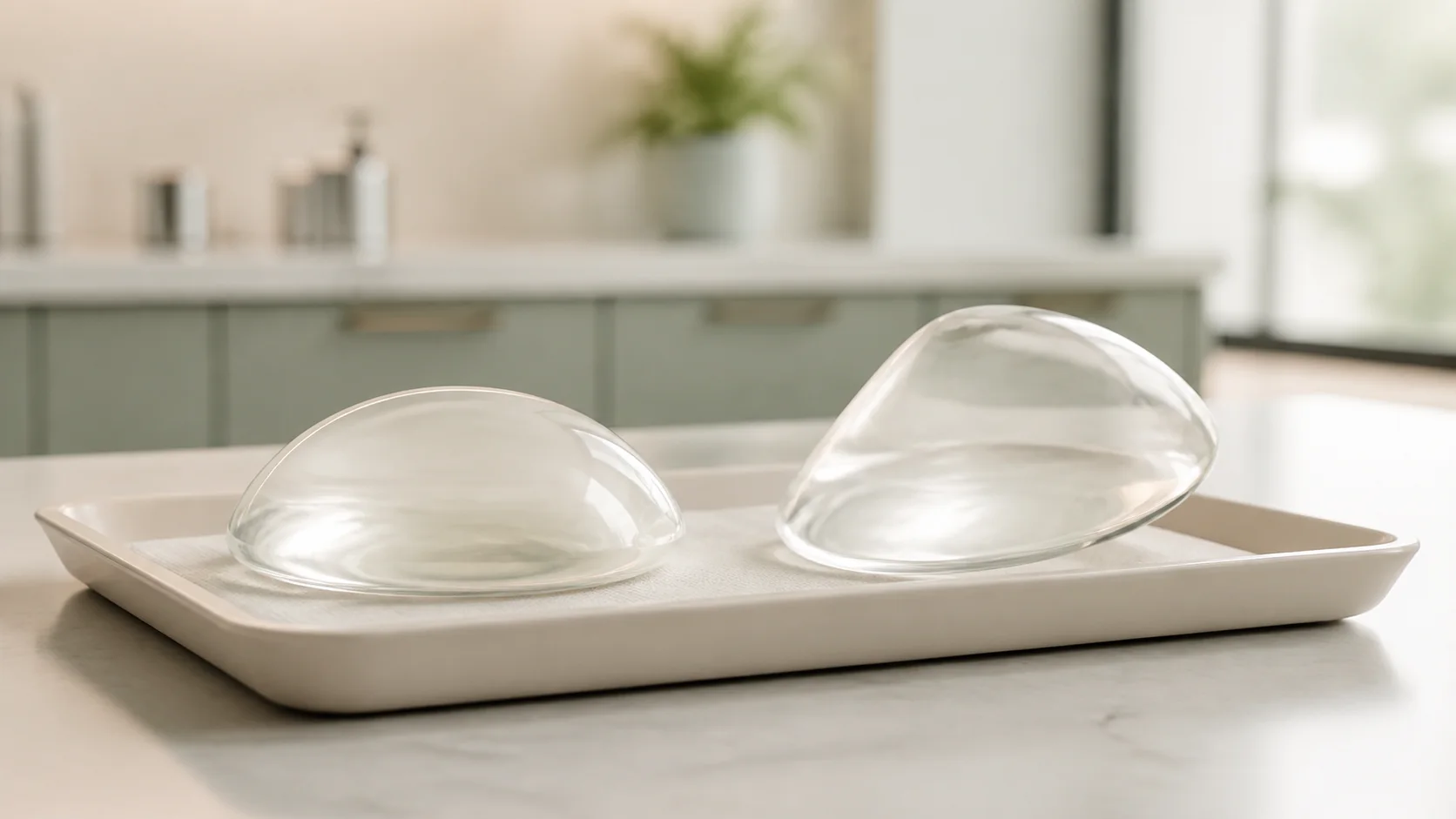
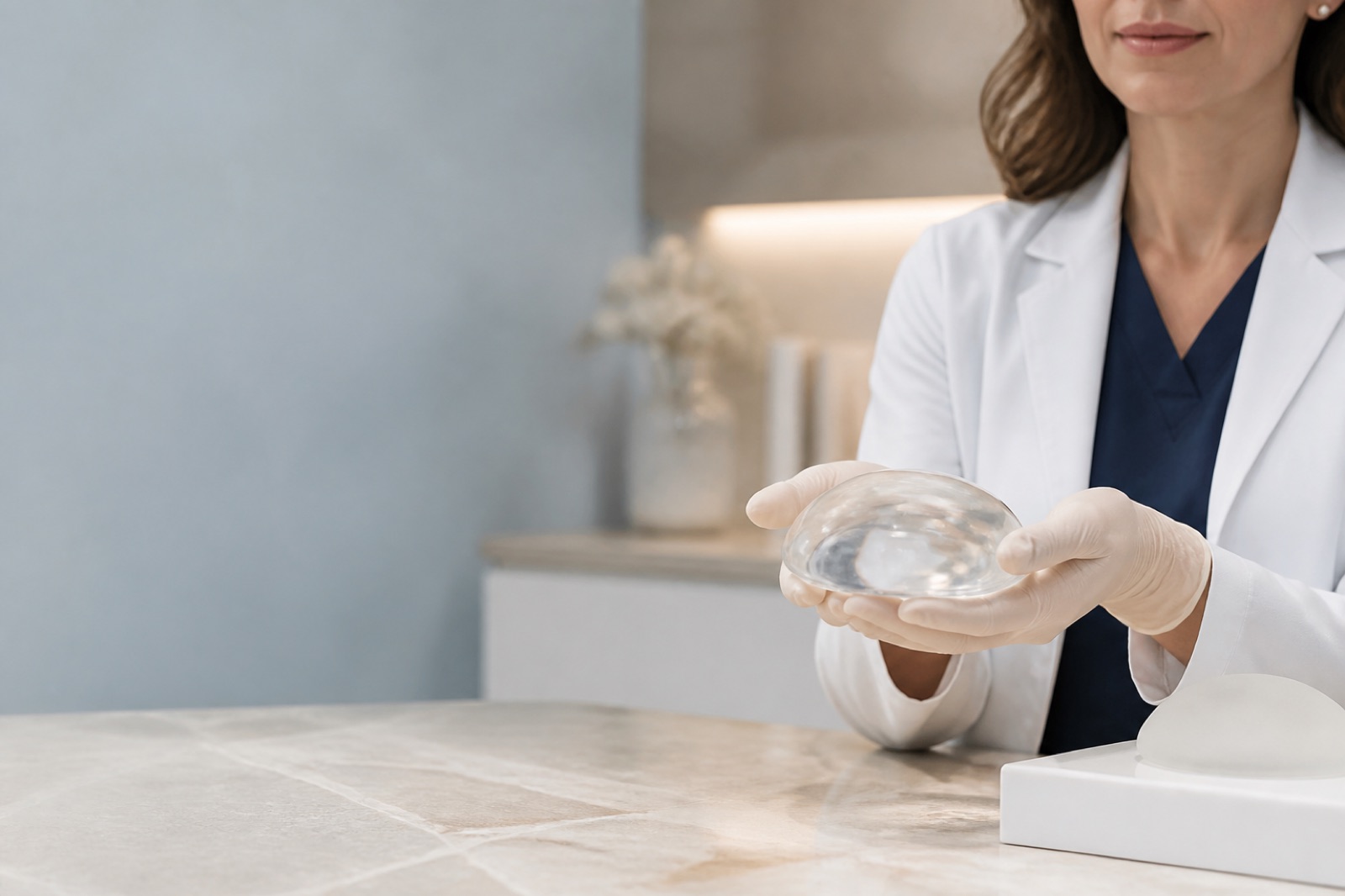
Pain and tenderness may occur for a period after breast augmentation, breast lift or breast reduction surgery as part of recovery. Pain that begins later, persists or gradually worsens may have different causes, including capsular contracture, implant rupture, implant displacement or implant rotation. These conditions are covered in their own guides; new or increasing pain should be assessed at a follow-up examination.
Can Medicines and Hormonal Treatments Cause Breast Pain?
Some medicines and hormonal treatments may be associated with breast pain or tenderness. Rather than stopping a medicine or changing its dose yourself, discuss whether the timing of the pain relates to a treatment change with your doctor. Trauma and certain systemic conditions are among the less common causes.
What Causes Pain in One Breast?
Pain felt in just one breast may be caused by different factors than pain felt in both breasts. Although it is not usually a sign of a serious condition, pain in just one breast tends to cause patients greater concern. In particular, if the pain is felt at a specific point, has persisted for a long time, or is accompanied by a palpable lump, a medical assessment is strongly recommended.
One of the most common causes of pain in a single breast is breast cysts and benign breast conditions. In addition, muscle strains, pain originating from the chest wall, trauma or previous breast surgery can also cause unilateral pain. Unilateral tenderness experienced during the recovery period following breast augmentation or breast lift surgery is also generally considered normal.
If pain in a single breast is accompanied by bloody discharge from the nipple, a firm lump that can be felt, skin retraction, redness or noticeable changes in the shape of the breast, a detailed examination and assessment using imaging techniques should be carried out without delay.
What Causes Pain in Both Breasts?
Pain felt in both breasts at the same time is usually caused by hormonal changes. Pain characterised by a feeling of fullness and tenderness in both breasts, particularly occurring before the period, is the most common type of breast pain in women. This condition usually eases or disappears completely once menstrual bleeding begins.
Hormonal changes during pregnancy, the breastfeeding period and the pre-menopausal phase can also cause pain in both breasts. In addition, it is known that factors such as certain medicines, hormone therapies and high caffeine intake can increase breast tenderness in some women.
Although the majority of pain experienced in both breasts is due to benign causes, it is advisable to seek medical advice if the pain persists for a long time, significantly affects daily life, or is accompanied by other symptoms.
Large breasts can cause shoulder and back pain, as well as breast pain in some patients. You can find more detailed information about the treatments available in such cases on our breast reduction surgery page.
Breast Pain During Your Period
It is quite common to experience breast pain and tenderness before your period. The main reason for this is the natural fluctuations in oestrogen and progesterone levels that occur throughout the menstrual cycle. These hormonal fluctuations can cause fluid retention in the breast tissue, leading to a sensation of fullness, tightness or pain in the breasts.
Hormone-related breast pain usually affects both breasts and becomes particularly noticeable a few days before menstruation. In most women, the pain gradually subsides as menstruation begins and disappears of its own accord.
This type of pain is generally considered normal and is not a sign of a serious illness. However, if the pain is felt in only one breast, persists after your period, or becomes more severe each month, a detailed assessment would be advisable.
Breast Pain During Pregnancy and Breastfeeding
During pregnancy, the breasts undergo significant changes as they prepare for childbirth and breastfeeding. Due to rising hormone levels, the breast tissue enlarges, the milk ducts develop, and the breasts may feel fuller and more sensitive. For this reason, breast pain is one of the most common complaints during the early months of pregnancy.
During the breastfeeding period, however, increased milk production, engorged breasts, blocked milk ducts or cracked nipples can cause pain. In particular, if there is redness of the breast, noticeable swelling and a fever, a breast infection known as mastitis may have developed and must be treated without delay.
Most cases of breast pain experienced during pregnancy and breastfeeding are due to physiological causes. However, if the pain persists for a long time, is more pronounced in one breast, or is accompanied by a palpable lump, a doctor should be consulted without fail.
Does Breast Pain Indicate Cancer?
The first question that springs to mind for many women experiencing breast pain is whether it is a symptom of breast cancer. Fortunately, breast pain on its own is not one of the most common symptoms of breast cancer. The vast majority of cases of breast pain are caused by hormonal changes, benign breast conditions, musculoskeletal problems or factors related to everyday life.
Breast cancer often presents with symptoms such as a firm lump that can be felt, dimpling or thickening of the breast skin, an inverted nipple, bloody nipple discharge, or a swollen lymph node in the armpit, rather than pain. However, as each patient’s clinical presentation may vary, it is not possible to make a definitive assessment based on symptoms alone.
In particular, pain in a single breast that has persisted for a long time, is becoming increasingly severe, or is accompanied by a palpable lump must always be assessed by a doctor. Following the examination, if deemed necessary, the cause of the pain is investigated using breast ultrasound, mammography or other imaging techniques.
The most important point to bear in mind is that breast pain is often due to benign causes. However, the only way to determine the exact cause of the pain is through a combination of appropriate clinical assessment and, where necessary, imaging techniques.
When Should Breast Pain Be Evaluated?
Breast pain is often a condition that resolves on its own and does not indicate a serious illness. However, certain symptoms may require further investigation.
If any of the following apply, you are advised to seek medical attention:
- If the pain is felt in only one breast and at a specific point,
- If breast pain lasts for more than a few weeks,
- If the pain is getting worse with each passing day,
- If you notice a lump in your breast,
- If there is any discharge from the nipple, particularly if it is bloody or spontaneous,
- If there is redness, dimpling, an orange-peel appearance or a wound on the breast skin,
- If breast pain is accompanied by a fever and noticeable swelling,
- If rapid swelling, a sudden change in shape or an unexpected increase in pain occurs after trauma or breast surgery.
Early assessment not only helps to prevent unnecessary anxiety but also enables the appropriate course of action to be planned without delay should a condition requiring treatment be present. Whilst breast pain on its own is not usually a sign of a serious illness, pain that persists or is accompanied by other symptoms should never be ignored.
How Can You Relieve Breast Pain?
The treatment of breast pain is primarily planned according to the cause of the pain. For this reason, no single treatment method is suitable for every patient. Whilst pain caused by hormonal changes often resolves on its own, pain resulting from infection, cysts or other health problems requires treatment of the underlying cause.
Some simple measures that can be taken in daily life may also help to relieve breast pain. Wearing a bra that fits properly and provides adequate support, resting after intense chest muscle exercises, and maintaining a healthy lifestyle can bring relief to many patients. In some cases, painkillers or anti-inflammatory medication may also be used on the advice of a doctor.
If breast pain has been persisting for a long time, is affecting your daily life, or is accompanied by other symptoms, it would be wiser to consult a specialist rather than attempting to treat it yourself. Following an examination, if deemed necessary, the cause of the pain is investigated using ultrasound, mammography or other imaging techniques, and a personalised treatment plan is drawn up.
What to Do About Breast Pain
Breast pain is a very common complaint among women and is often caused by hormonal changes or benign conditions. However, pain that persists, is felt in only one breast, or is accompanied by other symptoms—such as a gradually increasing pain or a palpable lump—must be investigated.
The most important aspect of maintaining breast health is to seek specialist advice without giving in to unnecessary worry, but without delay when necessary. Thanks to regular check-ups, age-appropriate screening methods and early diagnosis, many breast conditions can be successfully treated.
If you have any concerns about your breast pain, or if your symptoms have persisted for some time, a detailed assessment can help identify the cause of the pain and plan the most appropriate course of action for you.
Frequently Asked Questions
Is breast pain normal?
Yes. Breast pain is a very common complaint among women and is often caused by benign factors such as hormonal changes. However, pain that persists for a long time or is accompanied by other symptoms should be investigated.
Is breast pain a symptom of breast cancer?
Breast pain on its own is not usually the first sign of breast cancer. However, if the pain is accompanied by a lump that can be felt, bloody discharge from the nipple or changes to the skin, you must consult a doctor.
What causes pain in one breast?
Pain in a single breast may be caused by breast cysts, musculoskeletal problems, trauma or benign breast conditions. Persistent pain on one side should be investigated.
What causes pain in both breasts?
Pain felt in both breasts is usually due to hormonal changes and is particularly common just before a period.
Is breast pain during your period normal?
Yes. Due to changes in hormone levels before your period, you may experience breast tenderness, sensitivity and pain. These symptoms usually subside once your period has started.
Could breast pain be a sign of pregnancy?
Breast tenderness and pain may occur in the early stages of pregnancy due to rising hormone levels. However, breast pain on its own is not sufficient to confirm a pregnancy.
What causes breast pain whilst breastfeeding?
Milk production, blocked milk ducts, cracked nipples or infections such as mastitis can cause breast pain during breastfeeding.
Does breast pain go away on its own?
Breast pain caused by hormonal factors often resolves on its own. If the pain persists for a long time or becomes more severe, it should be assessed.
Which doctor should you see for breast pain?
Patients experiencing breast pain may be assessed by doctors with experience in plastic surgery, general surgery or breast diseases. Where necessary, imaging techniques are also used.
Is an ultrasound scan necessary for breast pain?
It is not necessary for every patient. Following the examination, an ultrasound or mammogram may be requested, depending on the patient’s age, clinical findings and the characteristics of the pain.
When is a mammogram needed for breast pain?
The need for a mammogram is determined by the patient’s age, the findings of the examination and their risk factors. Not every patient with breast pain requires a routine mammogram.
Do breast cysts cause pain?
Yes. Large or tense cysts, in particular, can cause tenderness and pain in the breast.
Do breast implants cause breast pain?
Pain and tenderness are normal in the first few weeks following breast augmentation surgery. However, pain that persists for a long time or develops later should be assessed.
Can exercise cause breast pain?
Muscle soreness that develops after intense chest muscle exercises can sometimes be mistaken for breast pain.
Does caffeine make breast pain worse?
Some women report that their breast tenderness decreases when they reduce their caffeine intake. However, scientific studies have not produced any definitive findings on this matter.
How long should breast pain last before you should see a doctor?
A specialist assessment is recommended for breast pain that lasts longer than a few weeks, is getting worse, or is affecting daily life.
Can breast pain occur after the menopause?
Yes. Although it is less common after the menopause, breast pain can develop as a result of hormone therapy or for other reasons.
What can you do at home to relieve breast pain?
Wearing a bra that provides adequate support, rest and painkillers as recommended by a doctor can help to alleviate symptoms in many patients.
Can breast pain be caused by stress?
Although severe stress does not directly cause breast pain, it can contribute to symptoms being felt more acutely by increasing muscle tension or altering the perception of pain.
When should breast pain be assessed as an emergency?
If breast pain is accompanied by a palpable hard lump, bloody discharge from the nipple, a noticeable change in the skin, a high temperature or rapidly developing redness, you should seek medical attention without delay.