RECONSTRUCTION AFTER BREAST CANCER
Breast Reconstruction After Cancer or Mastectomy
Rebuilding a breast after mastectomy is not one standard operation. Timing and technique should reflect cancer treatment, radiotherapy, available tissue and the patient’s priorities.

What Is Breast Reconstruction After Cancer or Mastectomy?
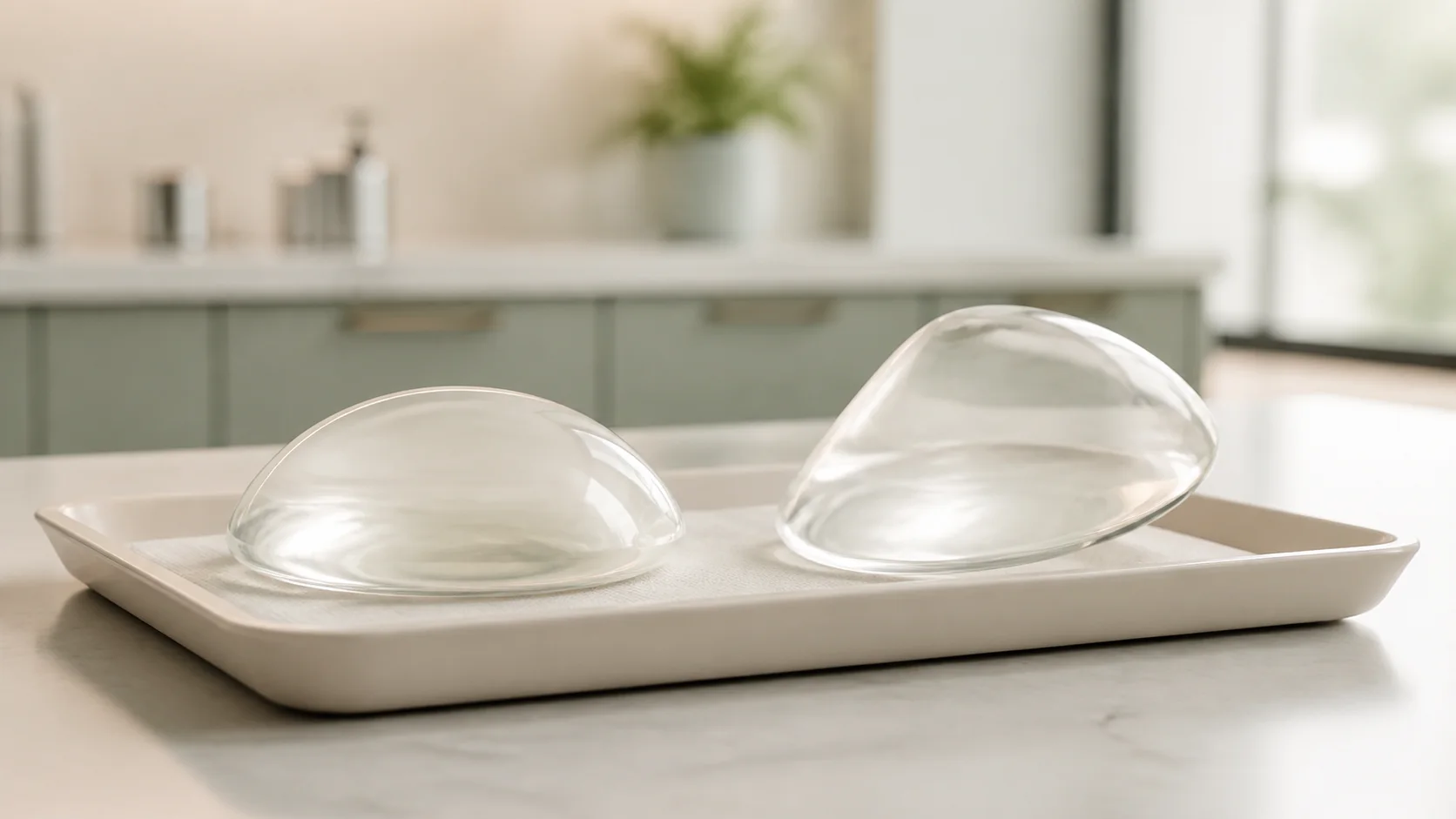
Breast reconstruction rebuilds breast volume and contour after part or all of the breast has been removed for cancer. It may use an implant, a temporary tissue expander or tissue transferred from another area of the body.
The aim is not to recreate the original breast exactly. It is to produce a stable breast shape that fits the chest wall, the opposite breast and the patient’s proportions. Cancer surgery, pathology, radiotherapy, skin quality, previous operations and general health all influence the plan.
When Can Breast Reconstruction Be Performed?
Immediate Breast Reconstruction
Immediate reconstruction begins during the same operation as the mastectomy. It requires coordinated planning between the breast surgeon, plastic surgeon and oncology teams. I explain this pathway separately in my guide to immediate breast reconstruction.
Delayed Breast Reconstruction
Delayed reconstruction is performed after mastectomy and the necessary cancer treatments. It can still be considered years later. After radiotherapy, the decision depends not only on elapsed time but also on the elasticity, circulation and quality of the tissues on examination.
Who May Be Suitable for Breast Reconstruction?
Suitability is assessed individually. General health, smoking, diabetes and vascular disease, previous abdominal or back surgery, available donor tissue, radiotherapy and the shape of the opposite breast all matter.
Some patients are well suited to a relatively limited implant-based plan. Others benefit from bringing well-vascularised tissue to a radiotherapy-affected chest wall. My aim is to achieve a dependable reconstruction without adding unnecessary surgical burden.
Breast Reconstruction Options
Implant-Based and Tissue Expander Reconstruction
A permanent implant may be placed directly when the skin and soft-tissue cover are suitable. If the tissues need gradual preparation, a temporary expander is filled in stages and later exchanged for a permanent implant. An expander is not required in every case.
Autologous or Flap Reconstruction
Autologous reconstruction uses the patient’s own tissue, usually from the abdomen or back. It can provide healthy, well-vascularised cover to a chest wall affected by radiotherapy, but it also creates a donor site and may involve a more extensive operation.
DIEP, TRAM and Latissimus Dorsi Flaps
DIEP and TRAM flaps use abdominal tissue. A latissimus dorsi flap brings well-vascularised tissue from the back and can be combined with an implant when additional volume is needed.
During my specialist training at Çapa, I performed DIEP, TRAM and latissimus dorsi reconstruction. In my current private practice, I more often favour a latissimus dorsi flap combined with an implant for suitable patients because it can provide reliable tissue support while keeping operating time and surgical burden more limited. This is my practice-based preference, not a claim that one method is best for everyone.
Implant or Your Own Tissue: How Is the Choice Made?
| Approach | Potential role | Main consideration |
|---|---|---|
| Implant | Creates volume without a separate donor site | Requires suitable skin and soft-tissue cover |
| Expander then implant | Prepares the tissues gradually | Requires staged treatment and follow-up |
| Autologous flap | Provides the patient’s own vascularised tissue | Adds a donor site and a more extensive operation |
| Latissimus dorsi flap and implant | Combines vascularised cover with implant volume | Back tissue and shoulder function require individual assessment |
The decision involves much more than which option looks more natural. Tissue safety, recovery burden, possible future procedures and the patient’s priorities should be considered together.
How Do Radiotherapy and Cancer Treatment Affect Planning?
Radiotherapy can cause stiffness, thinning, reduced circulation and loss of elasticity in the skin and deeper tissues. For some patients, adding well-vascularised tissue is therefore more dependable than relying on an implant alone.
In my practice, if I plan to begin with a tissue expander after radiotherapy, I may consider surgery at around seven to eight months; I do not regard six months as sufficient. If an expander will not be used, I prefer to wait close to one year. These are practice-specific timeframes, and the final decision is based on examination findings and discussion with the oncology team.
Is Reconstruction Completed in One Stage?
Some patients can have the main breast mound reconstructed in one operation. Others need an expander exchange, fat grafting, a symmetry procedure on the opposite breast or later nipple and areola reconstruction.
Operating time varies according to whether reconstruction is unilateral or bilateral, whether an implant, expander or autologous tissue is used, and whether treatment is planned in one or several stages. For this reason, I do not give one fixed duration for breast reconstruction.
Nipple, Areola and Symmetry Procedures
The first priority is a safe breast mound and reliable soft-tissue cover. Nipple and areola reconstruction is often planned later. The opposite breast may need lifting, reduction or augmentation, while fat grafting can refine smaller contour differences.
You can read more about nipple and areola surgery and breast asymmetry correction in the related guides.
Recovery and Return to Daily Activities
Recovery differs substantially between an implant, an expander and flap surgery. Unilateral or bilateral treatment and any simultaneous procedure also affect the course. Drain care, wound care and shoulder movement are tailored to the operation.
After flap surgery both the breast and donor site require monitoring. Increasing pain, redness, fever, sudden swelling, discharge or a marked change in skin colour should be reported promptly to the surgical team.
Risks, Limitations and the Possibility of Further Surgery
Bleeding, infection, fluid collection, wound-healing problems, altered sensation and asymmetry may occur with any method. Implant reconstruction also carries risks such as capsular contracture, implant visibility or palpability and future implant surgery. Flap surgery has additional considerations including circulation problems, fat necrosis and donor-site effects.
Reconstruction can restore breast shape, but it cannot recreate the pre-mastectomy breast exactly. Refinements and additional stages do not necessarily mean failure; they may be planned parts of the reconstructive pathway.
How Is Multidisciplinary Planning Carried Out?
Reconstruction must remain aligned with oncological safety. Information from breast surgery, medical oncology and radiation oncology is considered alongside pathology, surveillance plans and the available tissues.
During consultation I discuss not only what is technically possible, but also how many stages the patient is prepared to undergo, recovery burden, donor-site preferences and realistic expectations. The right operation is the reconstruction that fits the patient, not simply the largest procedure that can be performed.
Frequently Asked Questions
Can breast reconstruction be performed years after cancer treatment?
Yes. Delayed reconstruction can be assessed many years after mastectomy. The method depends on radiotherapy, chest-wall tissues, general health and the patient’s priorities.
Can I have breast reconstruction after radiotherapy?
Yes, but radiotherapy may change the safest method and timing. In my practice I may consider an expander pathway at around seven to eight months, while without an expander I prefer to wait close to one year; examination and oncology input remain essential.
Is an implant or my own tissue more suitable?
No single method is best for everyone. Skin quality, radiotherapy, donor tissue, surgical burden and personal priorities guide the choice.
What is a tissue expander, and does everyone need one?
A tissue expander is a temporary implant used to prepare the skin and soft tissues gradually. Some patients can instead have a direct implant or flap reconstruction.
Can the opposite breast be treated for symmetry?
Yes. A lift, reduction or augmentation may be considered, either during the main reconstruction or at a later stage.
When are the nipple and areola reconstructed?
They are often reconstructed after the breast mound has settled. In selected oncological and anatomical situations, nipple-sparing mastectomy may be possible.
Can reconstruction be completed in one operation?
Sometimes the main reconstruction can be completed in one operation, but expander exchange, fat grafting, symmetry surgery or nipple-areola reconstruction may require additional stages.
Might I need fat grafting or another refinement?
Yes. Fat grafting may be used to soften contour transitions, improve smaller volume differences or support selected radiotherapy-affected tissues.
Does breast reconstruction interfere with cancer follow-up?
Surveillance continues according to the oncology plan. The reconstruction method should be communicated to the radiology team so that follow-up imaging can be tailored appropriately.
Will breast sensation return completely?
Sensation is commonly reduced because skin and nerves are affected during mastectomy. Some recovery may occur, but full return to the previous sensation cannot be guaranteed.
Why does recovery differ between methods?
Implant reconstruction and tissue transfer from the abdomen or back involve different surgical areas and burdens. Bilateral surgery and simultaneous procedures also change recovery.
When might flap reconstruction be considered?
It may be considered after radiotherapy, when implant coverage is limited or after problems with implant-based reconstruction. Donor-site suitability and general health must also be assessed.