BREAST LIFT GUIDE
Breast Lift Surgery
Breast lift (mastopexy) is an aesthetic surgical procedure that reshapes breasts which have sagged over time due to pregnancy, breastfeeding, ageing, weight changes or genetic factors. Excess skin is removed, the breast tissue is reshaped and the nipple is moved to a younger, natural and aesthetically balanced position. This gives the breasts a firmer, fuller appearance that is more harmonious with the body.
With more than 15 years of plastic-surgery experience and over 3,500 breast operations, I plan every breast lift individually. Breast volume, skin quality, nipple position and the patient’s expectations are assessed together to select the most appropriate technique. A lift alone may be sufficient, while patients with significant volume loss may benefit from a lift combined with breast implants.
Breast lift surgery usually takes 1.5–2.5 hours under general anaesthesia. Most patients stay in hospital for one night and are discharged the following day. Many people with desk-based jobs return to daily life within 3–5 days. Scars are more visible during the first months, but gradually soften and fade over time.
Why Do Breasts Sag, and When Is a Breast Lift Considered?
Breast sagging can develop as the skin and supporting tissues lose elasticity and as breast volume changes over time. Pregnancy and breastfeeding, significant or repeated weight fluctuations, ageing and inherited tissue characteristics are among the main contributing factors. Gravity may have a greater effect on larger, heavier breasts, although sagging can also occur in smaller breasts when the skin and supporting tissues are less resilient.
The degree of sagging is not assessed only by how low the breasts appear. The position of the nipple in relation to the breast crease, the amount of skin and tissue in the lower breast, loss of upper-breast fullness and differences between the two breasts are considered together. A downward-pointing nipple, difficulty supporting the breast shape even in a bra, or a clear excess of skin may be reasons to consider a breast lift.
Not every change in volume or mild change in shape requires surgery. The most appropriate approach depends on the degree of sagging, existing breast volume, skin quality, future pregnancy plans and personal goals. An examination helps determine whether lifting alone is suitable or whether a volume-adjusting procedure should also be considered.
Operation Duration: 1.5–2.5 hours
Anaesthesia: General anaesthesia
Hospital Stay: 1 night
Return to Social Life: 3–5 days
Sports and Strenuous Activity: 4–6 weeks
Support Bra: Approximately 6 weeks
Final Result: 3–6 months
Who Is a Good Candidate for Breast Lift Surgery?
It is suitable for women who have problems such as loosening in their breasts, nipple downward orientation, inability to shape even with a bra.
Breast sagging usually occurs after birth, breastfeeding, ageing and weight changes and can affect the patient’s posture as well as aesthetic appearance.
Breast lift without silicone can be preferred in patients who have sufficient breast volume but have sagging problems; in such cases, there is no need for an intervention to increase volume.
How Is Breast Lift Surgery Performed? Surgical Techniques
Breast lift surgery is planned individually. The most appropriate technique is selected by evaluating the nipple position, skin quality and sagging level. Generally, “vertical” or “inverted T” incisions are preferred.
During the operation, excess skin is removed, the breast tissue is reshaped and the nipple is moved to a more ideal position. In this way, balanced results are obtained both aesthetically and functionally.

Sagging breasts over time can affect both aesthetic appearance and self-confidence. Breast lift surgery aims to reshape the loosened tissues to give a more upright, fresh and youthful breast form. A natural and balanced result is aimed for each patient.
Can a Breast Lift Be Performed Without Implants?
Breast implants are not necessary for every patient. If breast volume is adequate and the main concern is sagging, excess skin can be removed and the existing breast tissue reshaped to achieve a successful, natural result. This is also described as a breast lift without implants.
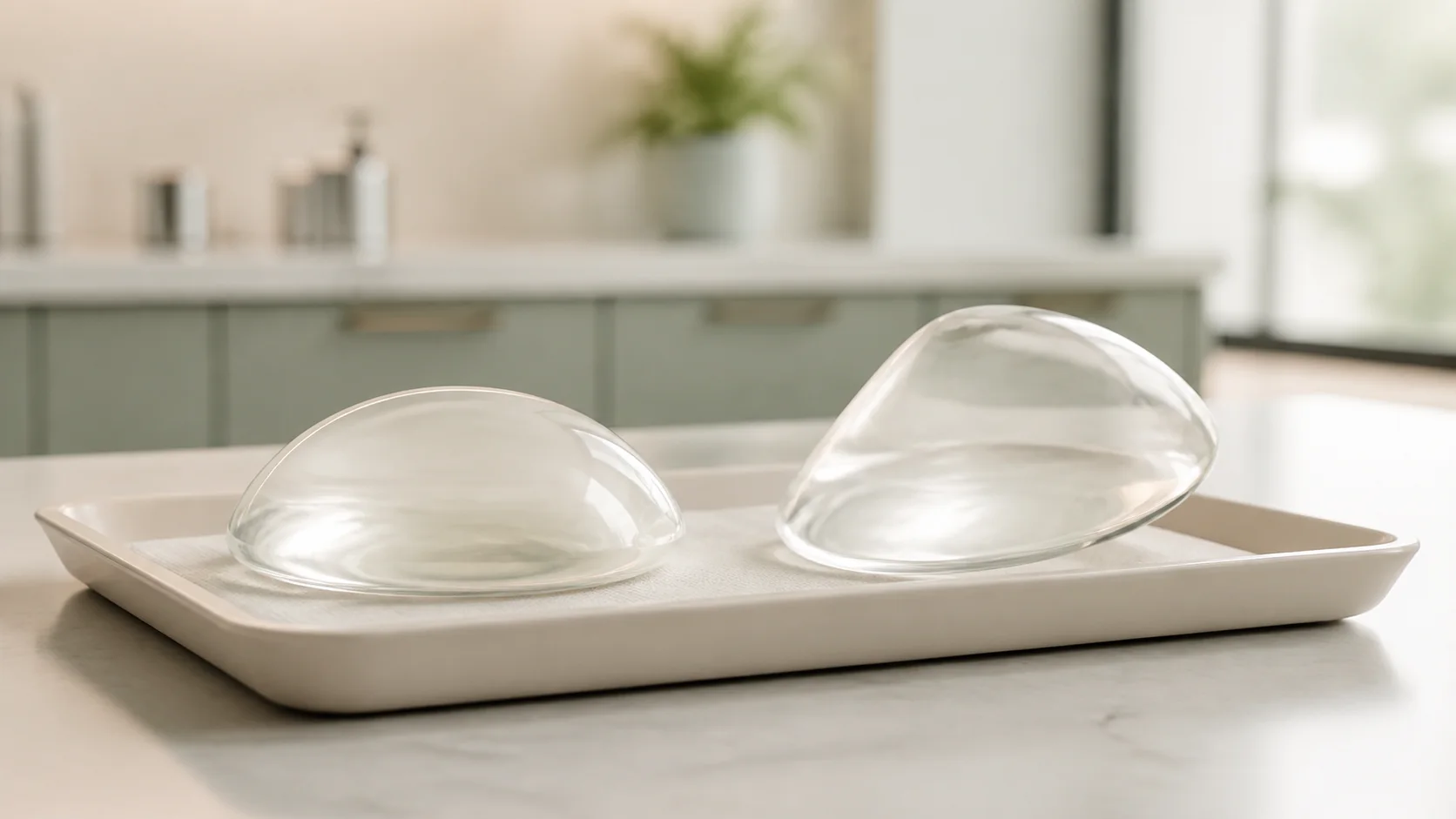
After pregnancy, breastfeeding or significant weight loss, some patients have both sagging and loss of upper-breast volume. In these cases, lifting alone may not provide the desired fullness. A breast lift combined with an implant may create a fuller and better-balanced upper-pole contour. Implant selection and the scope of combined surgery are discussed in detail in the related guide.
During consultation, existing breast volume, skin quality, breast-tissue characteristics and aesthetic goals are assessed together. The aim is not to use an implant unnecessarily, but to choose the method most likely to provide a natural and durable result for each patient.
Not sure which option is right for you?
During consultation, your breast volume, degree of sagging and expectations are assessed together to decide whether a lift with or without implants is more suitable.
Breast Lift Recovery
Recovery after breast lift surgery varies according to the surgical technique, whether the procedure is combined with an implant, and individual tissue characteristics. Tightness, tenderness, swelling and bruising are expected during the early days and usually ease gradually with the recommended treatment and follow-up plan.
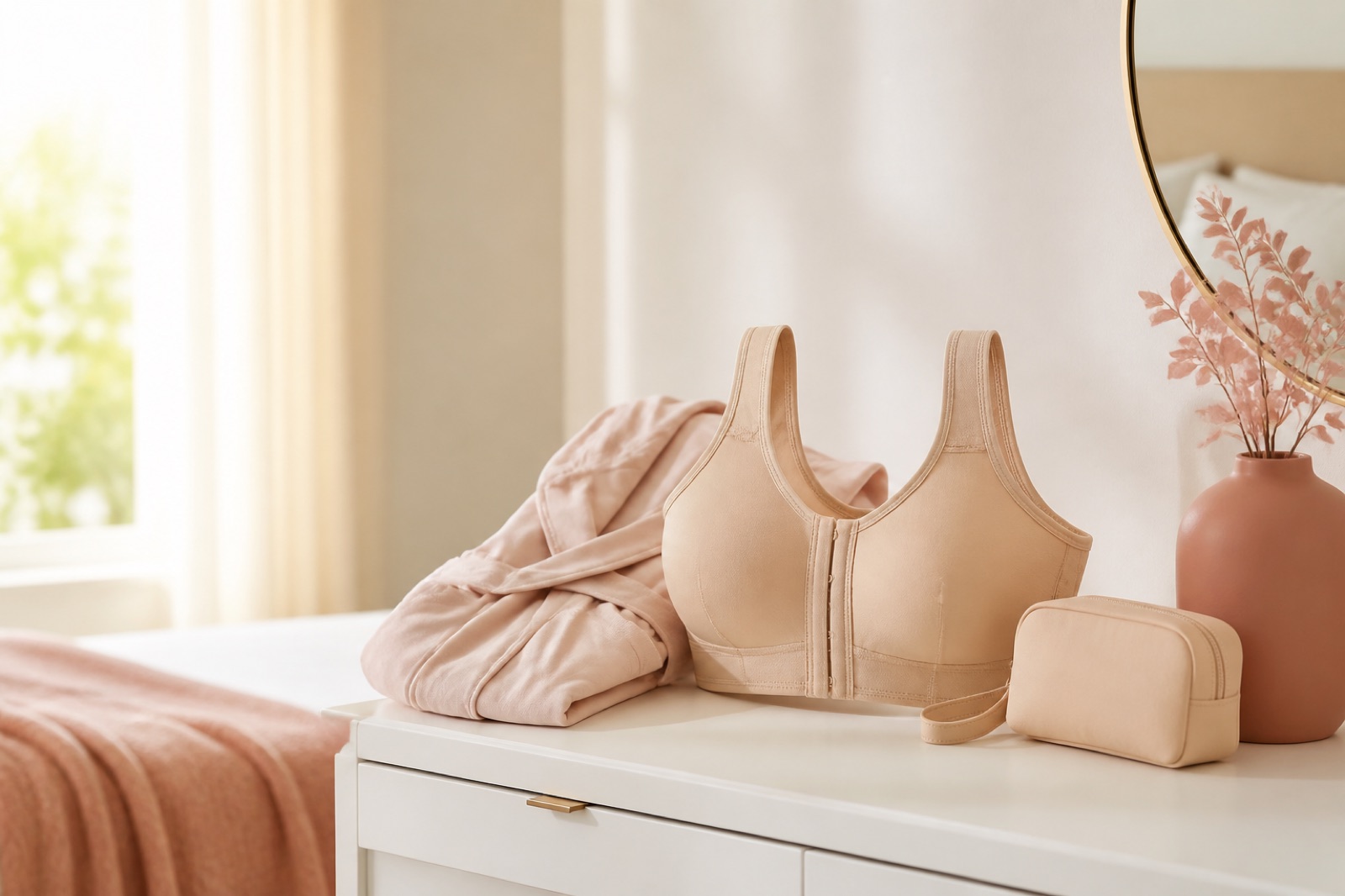
Wearing the prescribed support bra, keeping the incisions clean and dry, and attending scheduled appointments help the recovery process to be monitored safely. Many people with desk-based work can return to routine activities within several days. Heavy lifting, strenuous exercise and movements that place significant tension on the chest should wait until the surgeon confirms that healing is sufficiently advanced.
The first appearance of the breasts does not represent the final result because swelling affects shape and position. As swelling subsides, the tissues settle and the breasts gradually develop a more natural contour. Timelines for showering, driving, returning to work and resuming exercise should be personalised during follow-up.
Will Breast Lift Surgery Leave Scars?
A breast lift removes excess skin, so surgical incisions and scars are unavoidable. Their position and length depend on the degree of sagging, the amount of skin to be removed and the selected technique. For mild sagging, an incision around the areola may be sufficient. More pronounced sagging may require an additional vertical incision towards the breast crease and, in some cases, a horizontal incision within the crease.
Scars may initially appear pink, darker or raised. In many patients they gradually soften and fade as they mature, but a completely scar-free breast lift cannot be promised. Skin type, individual healing tendency, smoking, incision care and sun protection can all influence their final appearance.
The shortest incision compatible with a safe and balanced result is preferred during planning. Healing is assessed at follow-up appointments, when scar-care recommendations can be adjusted to the individual patient.
What Determines the Cost of Breast Lift Surgery?
Breast lift surgery does not have one standard cost for every patient. The degree of sagging, the required incision and reshaping technique, the scope of surgery, hospital and anaesthesia arrangements, and whether an implant is included can all affect the overall cost.
Accurate pricing is possible only after the breast anatomy and goals have been assessed and a personalised surgical plan has been created. The proposed procedure, implants or other products when relevant, postoperative follow-up and any additional requirements should be considered together rather than making a decision on price alone.
The cost of breast lift surgery may vary according to the surgical technique, degree of sagging, breast volume, whether an implant is required and the scope of the operation. Accurate pricing can therefore be determined only after examination and personalised surgical planning.
Breast Lift Frequently Asked Questions
Is breastfeeding possible after a breast lift?
In most patients, yes. Modern techniques aim to preserve the milk ducts and the blood supply to the nipple as much as possible. Breastfeeding capacity may nevertheless vary according to the technique, breast anatomy and individual biological factors.
Can the breasts sag again after breast lift surgery?
Results can last for many years. However, ageing, pregnancy, breastfeeding, marked weight changes and gravity can gradually alter the breast tissue. Maintaining a stable, healthy weight helps preserve the result.
Will breast lift surgery leave scars?
Yes. As with every surgical procedure, scars remain. Their position and length depend on the technique used. Scars are more noticeable initially, then soften, lighten and become less visible for most patients.
What is recovery like after breast lift surgery?
Mild pain, tightness and swelling are normal during the first few days. Most patients return to daily life within 3–5 days. Strenuous exercise is generally postponed for approximately 4–6 weeks.
How long does breast lift surgery take?
The operation usually takes 1.5–2.5 hours. It may take longer if breast implants or another aesthetic procedure are included.
Is breast lift surgery painful?
Mild to moderate discomfort may be felt during the first few days. It can usually be controlled with prescribed medication, and many patients find recovery more comfortable than expected.
Are implants essential for a breast lift?
No. A lift alone can be performed when breast volume is adequate. An implant may be recommended when there is significant loss of fullness in the upper breast.
Can a breast lift be performed without silicone implants?
Yes. A breast lift without implants can produce very successful results in patients who have sufficient breast volume and whose main concern is sagging.
When can I shower after a breast lift?
The timing depends on the dressing technique. Most patients are allowed to shower after the first postoperative check. Your surgeon’s individual instructions should be followed.
When can I return to work after a breast lift?
Patients with desk-based jobs can usually return within 3–5 days. A longer recovery period may be needed for physically demanding work.
When can I exercise after a breast lift?
Light activities such as walking can begin relatively early. Weight training, running and sports that strain the upper body are generally postponed for 4–6 weeks.
When will the breasts reach their final shape?
The appearance continues to change as swelling subsides. The final result is generally visible within 3–6 months.
Can breast lift surgery cause loss of sensation?
Temporary changes in sensation can occur and usually improve within a few months. Permanent loss of sensation is uncommon.
What is the difference between a breast lift and breast reduction?
A breast lift primarily reshapes sagging breasts. Breast reduction also removes excess breast tissue to reduce breast volume.
What is the ideal age for breast lift surgery?
There is no fixed age limit. Any adult whose breast development is complete, whose general health is suitable and who is troubled by sagging may be a candidate.
Considering Surgery in Turkey?
Read my personal insights on medical tourism, surgeon selection, recovery, and patient safety.