Breast Augmentation Surgery
From the decision-making stage to choosing implants, and from planning the operation to the recovery process, you’ll find all the essential information you may need in this guide.
Surgery duration
Return to social life
Exercise and strenuous activity
Final results

Breast augmentation surgery takes approximately one hour under general anaesthesia. The majority of patients are discharged on the same day or after spending one night in hospital. Whilst many office workers can return to their daily routine within 3–5 days, it is recommended to wait approximately 4–6 weeks before resuming sport and strenuous physical activities.
Breast augmentation (mammoplasty) is a cosmetic surgical procedure performed on women who have naturally small breasts, have experienced a loss of volume following pregnancy and breastfeeding, or have significant asymmetry between the two breasts, with the aim of increasing breast volume and achieving more balanced body proportions. Performed using breast implants, this operation aims not only to increase breast volume but also to achieve a more natural, symmetrical appearance that harmonises with the patient’s body shape.
Drawing on over 15 years’ experience in plastic surgery and having performed more than 3,500 breast surgeries, I plan each breast augmentation procedure entirely on a case-by-case basis for every patient. The thickness of the breast tissue, the structure of the ribcage, skin elasticity, lifestyle and aesthetic expectations are all assessed together to determine the most suitable implant type, implant volume and placement technique. My aim is to achieve results that not only look good immediately after surgery but also retain their natural appearance for years to come.
Many people who wish to increase their breast size also look into natural methods – such as exercise, diet, creams or herbal products – before deciding on surgery. If you’re wondering whether these methods actually work, we’ve covered this in detail in our guide titled ‘Is Natural Breast Enlargement Possible?’, based on scientific evidence.
SURGERY AND RECOVERY
Breast Augmentation Surgery at a Glance
Breast augmentation usually takes 1 hour under general anaesthesia. Most patients are discharged on the same day or after one night in hospital. Many people with desk-based jobs return to daily life within 3–5 days; strenuous exercise is generally postponed for 4–6 weeks. As swelling subsides, the breasts usually settle into their natural appearance within 3–6 months.
Not every patient may be a suitable candidate for breast augmentation. You can take a look at our guide, in which we explain in detail the points to consider during the decision-making process before proceeding with the operation.
Who Is a Good Candidate for Breast Augmentation Surgery?
Breast augmentation surgery is an effective cosmetic solution for women who have naturally small breasts, who have experienced a loss of volume following pregnancy and breastfeeding, who have lost breast fullness due to significant weight loss, or who have noticeable asymmetry between the two breasts. In addition, women who are dissatisfied with their current breast size and wish for a breast appearance that is more in proportion to their body may also be suitable candidates for breast augmentation surgery.
When it comes to breast augmentation surgery, it is not just a matter of being a suitable candidate; the timing is also important. If you are wondering what role age plays in the decision to have surgery, you can read our guide on ‘The Ideal Age for Breast Augmentation’.
Not every breast augmentation operation is planned in the same way. The most suitable implant type, volume and placement technique are determined by assessing the thickness of the patient’s breast tissue, skin elasticity, the structure of the ribcage, the inframammary fold and the patient’s lifestyle. The aim is not merely to create larger breasts, but to achieve a result that is in harmony with the individual’s body structure, looks natural and will provide satisfaction for many years to come.
When deciding on breast augmentation surgery, it is important to take into account not only the desired implant volume but also the patient’s anatomical structure and long-term expectations. Therefore, rather than a standard approach for every patient, a fully personalised surgical plan is the key to achieving successful and natural-looking results.
If you are considering breast augmentation, you need to be aware not only of whether you are a suitable candidate, but also of the benefits and potential drawbacks of the procedure. We have covered this topic in detail in our guide to the pros and cons of breast implant surgery.
Decision and Candidacy Guides
Explore guidance on candidacy, timing, expectations and making an informed decision about surgery.
What is Breast Augmentation?
Who is suitable for breast augmentation?
Should I Have Breast Augmentation?

The Pros and Cons of Breast Augmentation

The Ideal Age for Breast Augmentation

Is it possible to enlarge the breasts naturally?

People Who Regret Having Breast Augmentation Surgery
Which Implants Are Used in Breast Augmentation Surgery?
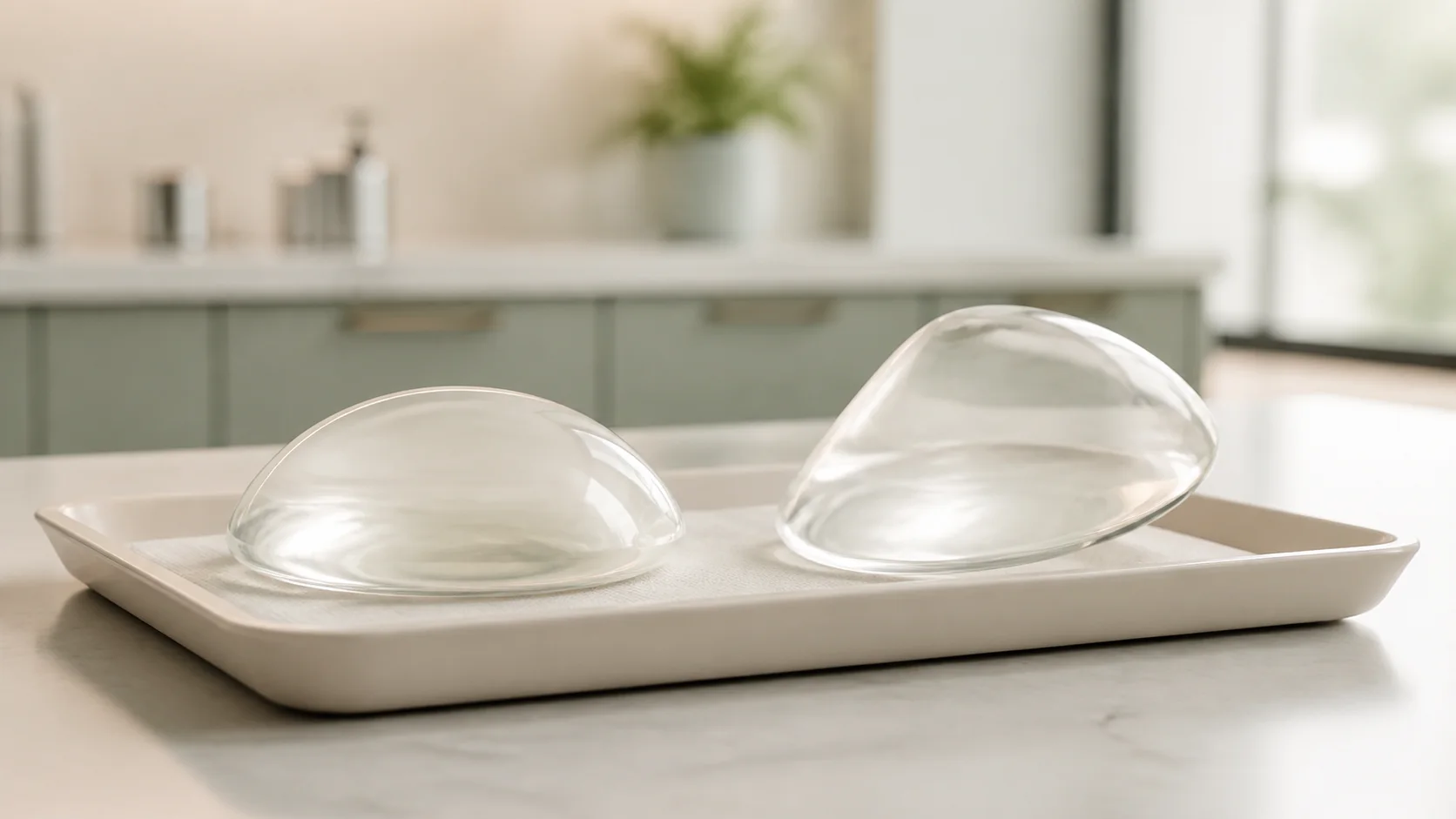
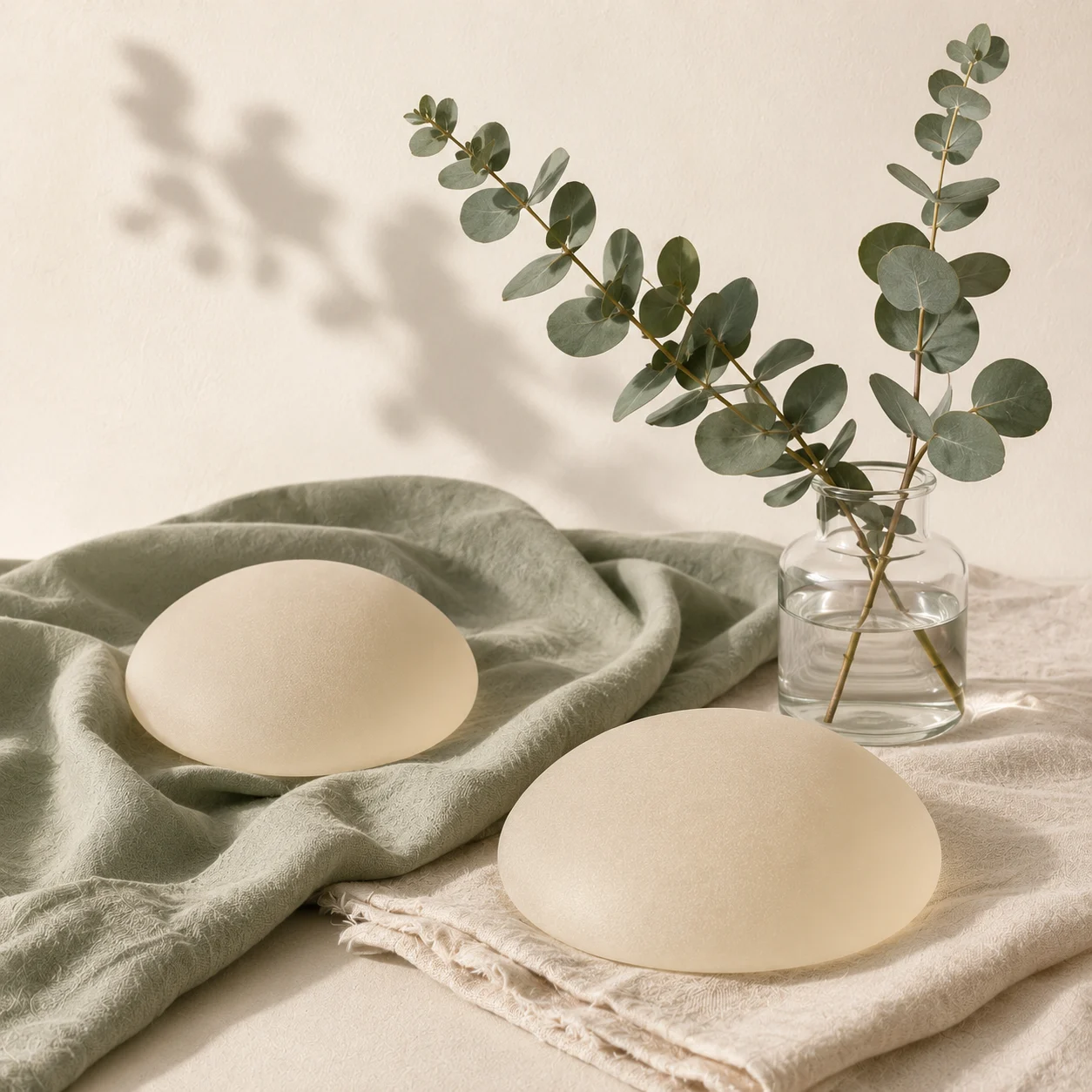
One of the most important steps in achieving a successful outcome in breast augmentation surgery is the correct choice of implant. However, there is no single ‘best breast implant’ that is suitable for everyone. The ideal implant should be determined by taking into account the patient’s ribcage structure, the thickness of the breast tissue, skin elasticity, lifestyle and aesthetic expectations.
The breast implants I use in my clinic meet international quality standards, have a proven track record of reliability and have undergone the necessary approval processes. Whilst Motiva® is the implant brand I most frequently choose today, I may also use Mentor® and POLYTECH® implants depending on the patient’s anatomy and surgical requirements. As each brand has its own distinct characteristics and advantages, the choice of implant should not be brand-specific but should be made entirely on a patient-by-patient basis.
The first question that needs to be answered, before considering the implant size or technique, is whether you are actually a suitable candidate for this operation. You can find a detailed assessment of this on our page ‘Who is a Suitable Candidate for Breast Augmentation?’.
When selecting an implant, it is not just the volume that matters; the implant’s projection, base diameter, shape and placement technique are also of great importance. Two different implants of the same volume can produce completely different results depending on the patient’s anatomy. Therefore, rather than focusing solely on the question ‘how many cc do I want?’ during the consultation, the aim should be to achieve a result that is in harmony with the body’s proportions, looks natural and will provide long-term satisfaction.
During the detailed assessment we carry out prior to surgery, we review the implant options together, and I draw up the most suitable plan by taking into account the patient’s expectations and anatomical characteristics. My aim is not merely to achieve larger breasts; it is to deliver results that are in harmony with the individual’s own body structure, feel natural, and maintain their aesthetic appearance for many years to come.
If you’re wondering how to decide which implant is right for you, you can take a look at the detailed Breast Implant Selection Guide I’ve put together.
Implant and Surgical Planning
Find detailed information about implant selection, placement and preparation before surgery.

What You Need to Know Before Breast Augmentation

Which breast implant is right for me?
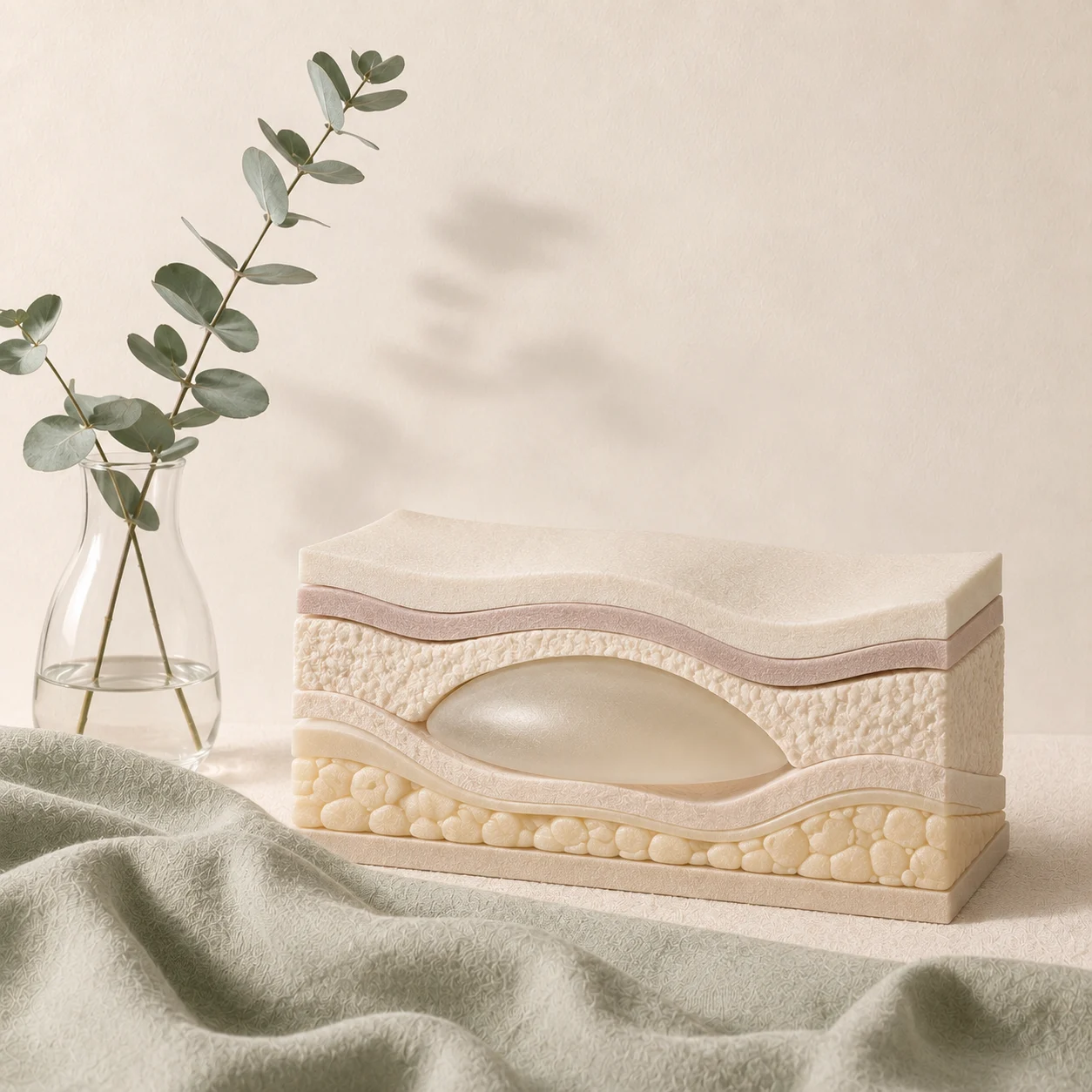
Where Are Breast Implants Placed?
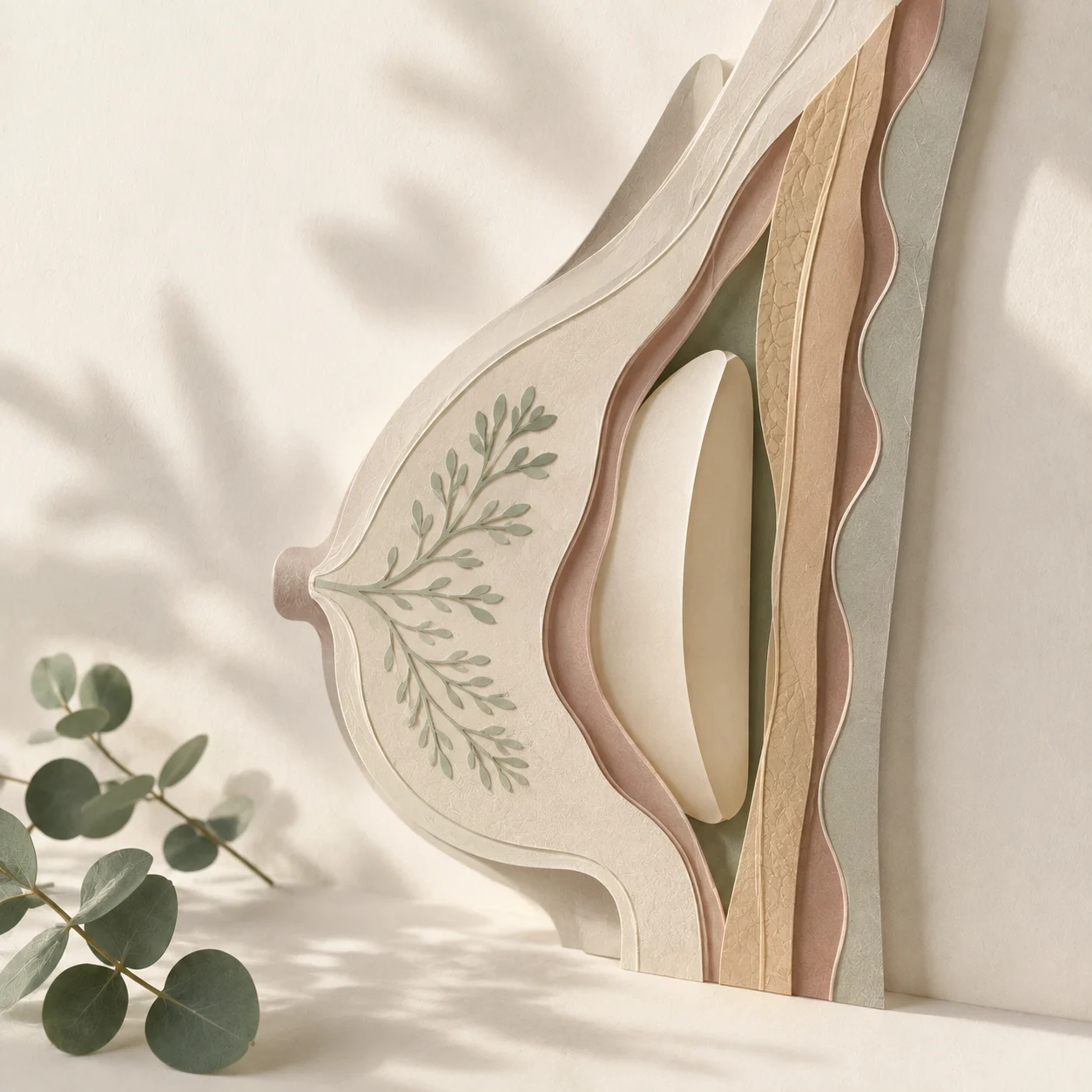
Preserve Breast Augmentation Technique
How Is Breast Augmentation Surgery Planned?
Proper planning forms the basis for a successful and natural result in breast augmentation surgery. Prior to surgery, the thickness of the breast tissue, skin elasticity, the width of the ribcage, the inframammary fold, the position of the nipple and the patient’s aesthetic expectations are assessed in detail. Based on this analysis, the most suitable implant type, implant volume and surgical technique are determined for each patient.
In breast augmentation surgery, implant placement is usually carried out via an incision made in the inframammary fold. This approach both facilitates the surgeon’s view and enables the implant to be positioned correctly. The placement technique used may be submuscular, subfascial or dual-plane. The choice of method is determined entirely by the patient’s anatomical characteristics.
For patients scheduled to undergo supramuscular implant placement, you may also wish to read the detailed article I have written on what the ‘Preserve’ approach—which has been the subject of much discussion in recent years—entails, how it differs from the conventional supramuscular technique, and for which patients it is suitable.
When planning surgery, it is not just the volume of the implant that is taken into account; the base diameter, projection and shape of the implant, as well as the patient’s body proportions, are also assessed together. During the consultation, where appropriate, I use 3D simulation and trial bra fittings to evaluate different implant options together with my patients, aiming to help them better visualise the appearance we are aiming to achieve following the operation.
My aim is not to fit my patients with the largest possible implant, but with the one best suited to their own anatomy. Thanks to careful planning, it is possible to achieve results that not only look good immediately after surgery, but also retain their natural appearance for years to come and allow the patient to feel comfortable in their daily life.
You can find detailed information on the preparations to be made before breast augmentation surgery, the medication to be taken, the tests required and the day of the operation on our ‘Pre-operative Guide to Breast Augmentation’ page.
Why Do I Often Opt for the Dual-Plane Technique?
In breast augmentation surgery, the placement of the implant is just as important as the implant’s brand or volume. Nowadays, implants can be inserted using supra-muscular, subfascial or submuscular techniques. For suitable patients, I frequently opt for the dual-plane (semi-submuscular) technique.
In the dual-plane technique, the upper part of the implant is supported by the pectoral muscle, whilst the lower part comes into contact with the breast tissue. This approach can help the implant look more natural, particularly in patients with thin breast tissue. It may also help to create smoother transitions at the upper pole of the breast and contribute to the implant being better concealed in the long term.
Of course, the dual-plane technique is not the most appropriate method for every patient. The most suitable placement technique must be determined by taking into account the thickness of the breast tissue, skin elasticity, the structure of the ribcage, the patient’s lifestyle and aesthetic expectations. In some patients, submuscular placement or alternative surgical approaches may yield more favourable results.
In my approach, the aim is not to apply a specific technique to every patient, but to select the method that is safest and most natural for each patient and will deliver successful results for many years to come. For this reason, the implant placement plan is one of the most important stages of the detailed pre-operative examination.
Although I have tended to favour the dual-plane technique in the majority of my breast augmentation procedures in recent years, surgical planning is never limited to a single method. Every patient’s anatomy is different, and the correct technique can only be determined following a detailed examination.
Breast Augmentation Recovery and Scarring
Breast augmentation surgery usually takes one hour and is carried out under general anaesthesia. The majority of patients are discharged on the same day or after spending one night in hospital. It is normal to experience mild pain, tightness and a feeling of pressure, particularly in the chest muscles, for the first few days. These symptoms can usually be managed with prescribed medication and subside noticeably with each passing day.
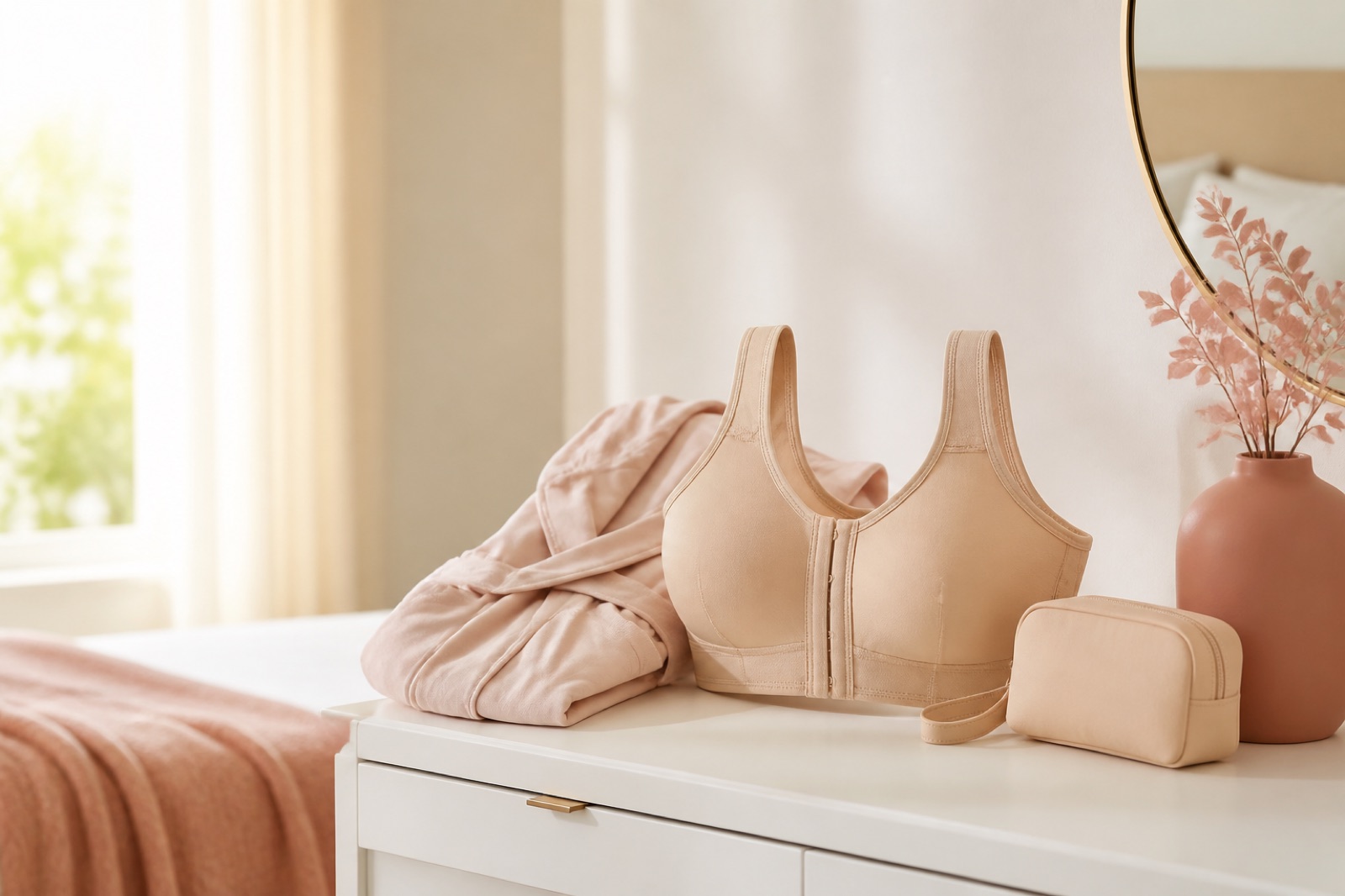
It is recommended that a special support bra be worn for approximately 6 weeks following the operation. During this period, you should avoid heavy lifting and strenuous upper-body exercise to help the implants heal in the correct position and to ensure that any swelling subsides more quickly. Whilst many patients with desk-based jobs can return to their daily lives within 3–5 days, it is generally recommended to wait 4–6 weeks before resuming strenuous physical activities and sport.
In breast augmentation surgery, the incision is usually made in the inframammary fold. As the scar lies within this natural crease, it is often not noticeably visible in everyday life or when wearing a bikini. Scars, which appear pinker and more prominent in the first few months, soften and fade in colour as the healing process progresses, and in most patients, they become less noticeable over time.
The speed of the healing process is influenced by many factors, such as skin structure, smoking, the implant placement technique and adherence to post-operative advice. Ensuring that regular check-ups are not missed and that the advice given is followed not only facilitates the healing process but also helps to ensure the best possible aesthetic outcome.
The success of breast augmentation surgery is not limited to the day of the operation alone. You may also wish to read our guide, ‘The Recovery Process After Breast Augmentation’, in which we explain in detail the recovery process that awaits you from the very first days onwards.
Recovery and Return to Daily Life
Explore guidance on support bras, exercise, sexual activity and the early recovery period.
A Guide to Recovery After Breast Augmentation
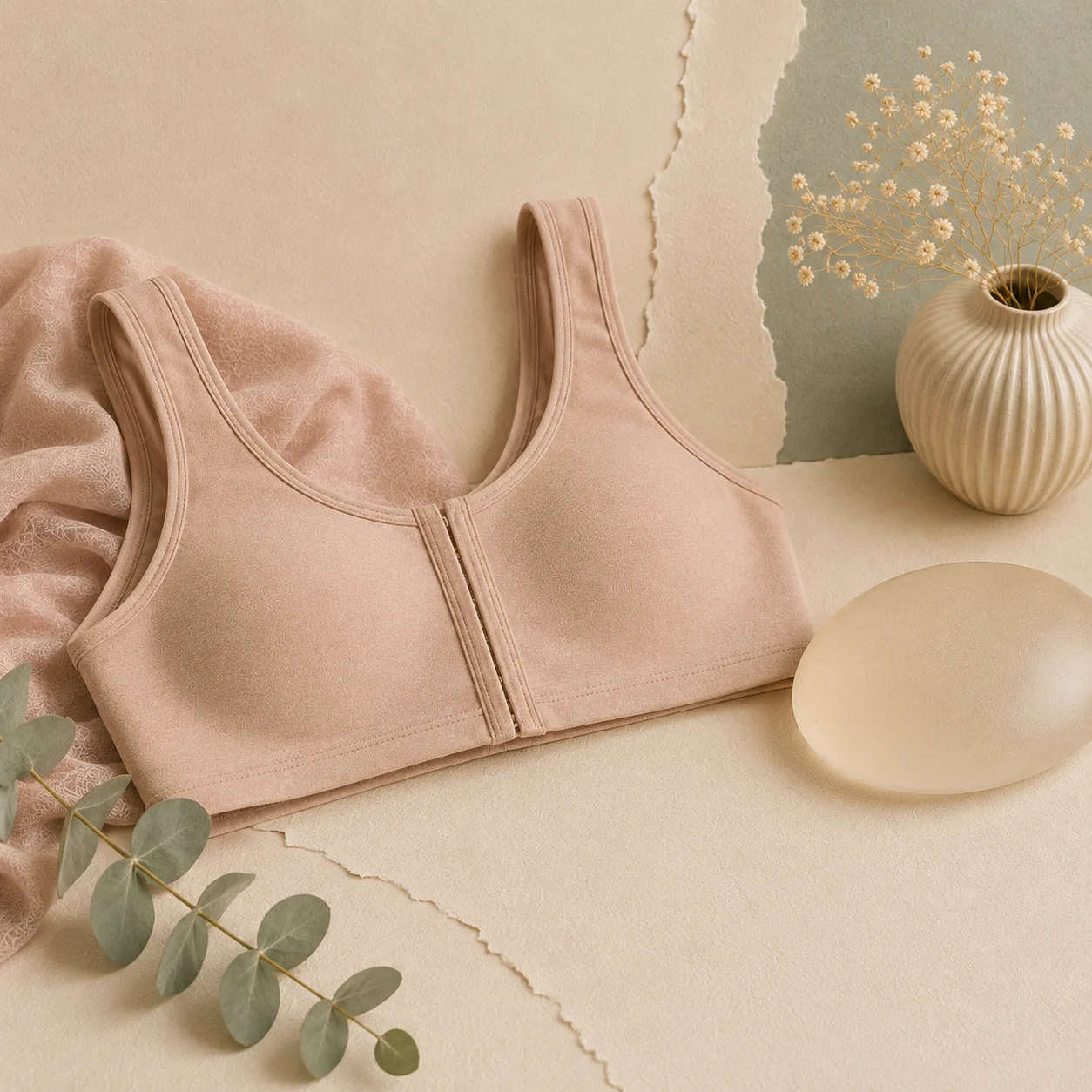
Wearing a Bra After Breast Augmentation

Exercise After Breast Augmentation

Sexual Life After Breast Augmentation
How Are Natural Results and Safety Planned in Breast Augmentation?
A successful outcome in breast augmentation surgery is not judged solely by the achievement of larger breasts. Equally important—and no less so than the aesthetic appearance—are the correct positioning of the implant, the preservation of breast tissue, the maintenance of a natural sense of movement, and long-term patient satisfaction. For this reason, when planning the surgery, aesthetic expectations must always be weighed up alongside safe surgical principles.
The aim during surgery is to achieve a natural appearance by positioning the implant that best suits the patient’s anatomy in the most appropriate location. The technique for positioning the implant is determined by taking into account the thickness of the breast tissue, the skin structure and the characteristics of the pectoral muscle. In this way, the aim is both to enhance the longevity of the aesthetic results and to prevent certain problems that may arise in the long term.
In my approach, the aim is not merely to achieve results that look good on the first day after surgery. The primary aim is to achieve results that retain their natural appearance years later, allow the patient to feel comfortable in their daily life, and ensure their long-term satisfaction. For this reason, I plan every breast augmentation procedure individually, tailored to the patient’s anatomical characteristics, and opt for the safest surgical approach whilst avoiding unnecessary risks.
Related Breast Augmentation Guides
Long-Term Follow-up and Related Topics
Learn more about implant safety, possible changes, revision surgery and long-term care.
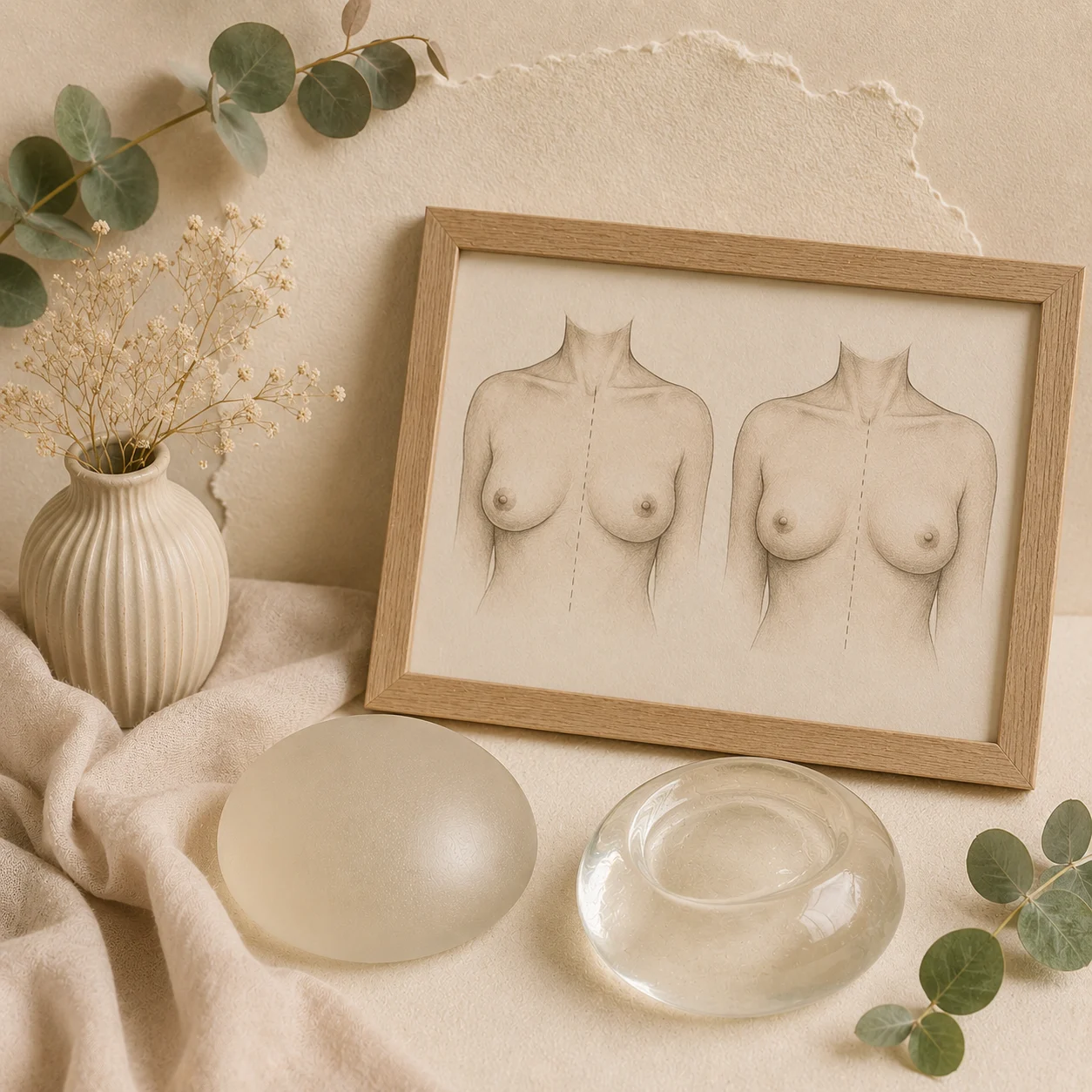
Breast Asymmetry
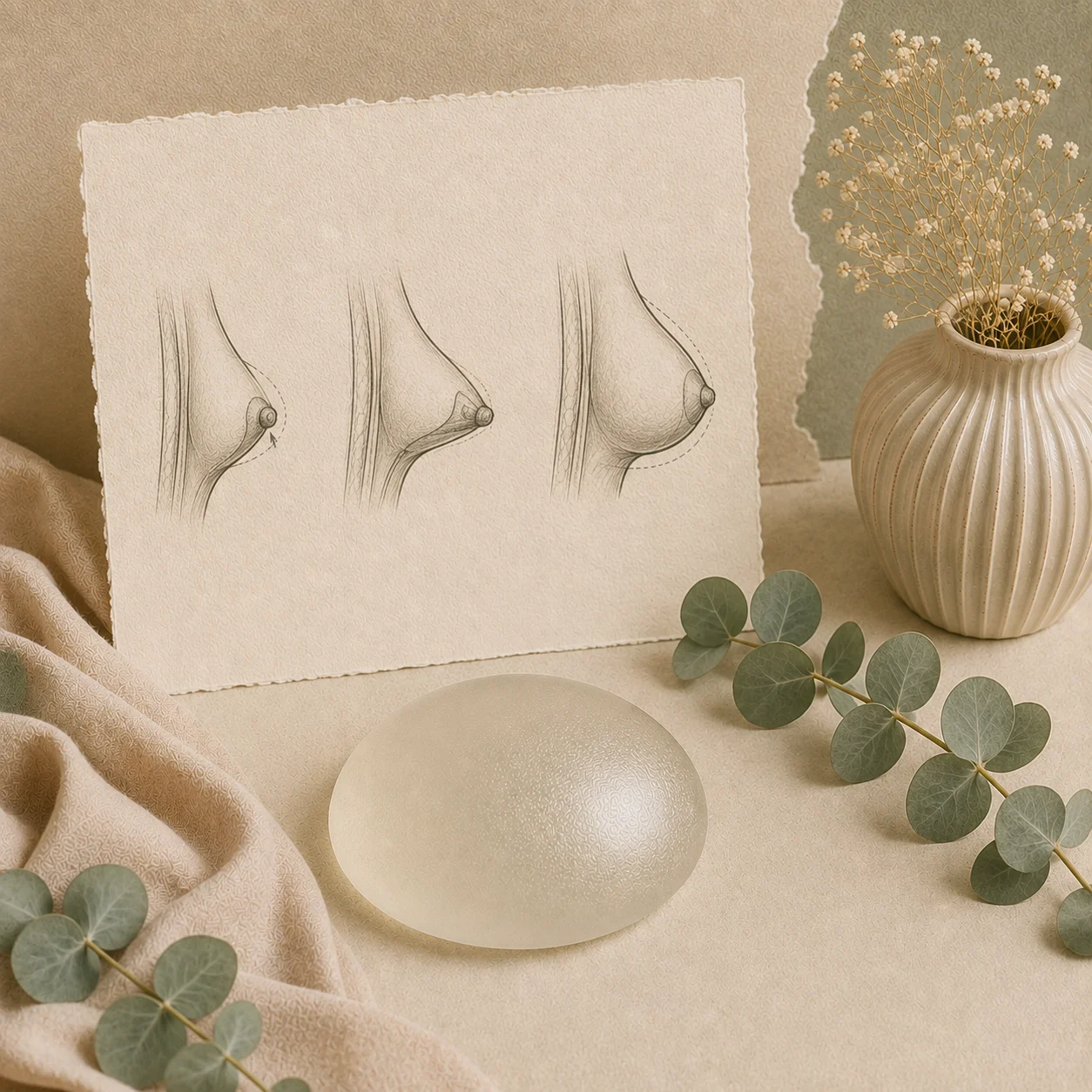
Tuberous Breast
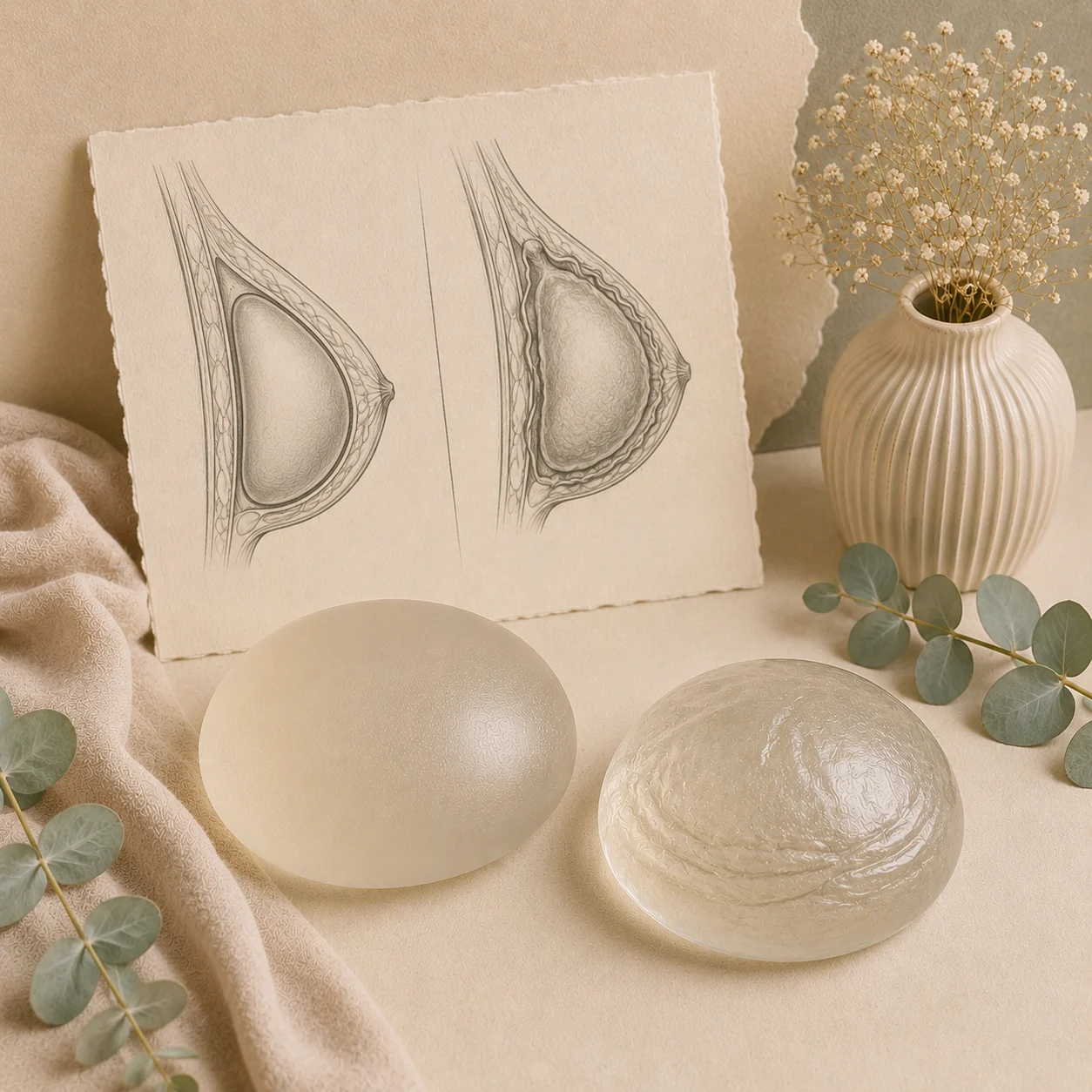
Capsular Contracture

Breast Implant Revision Surgery
Breast Pain Following Breast Implant Surgery
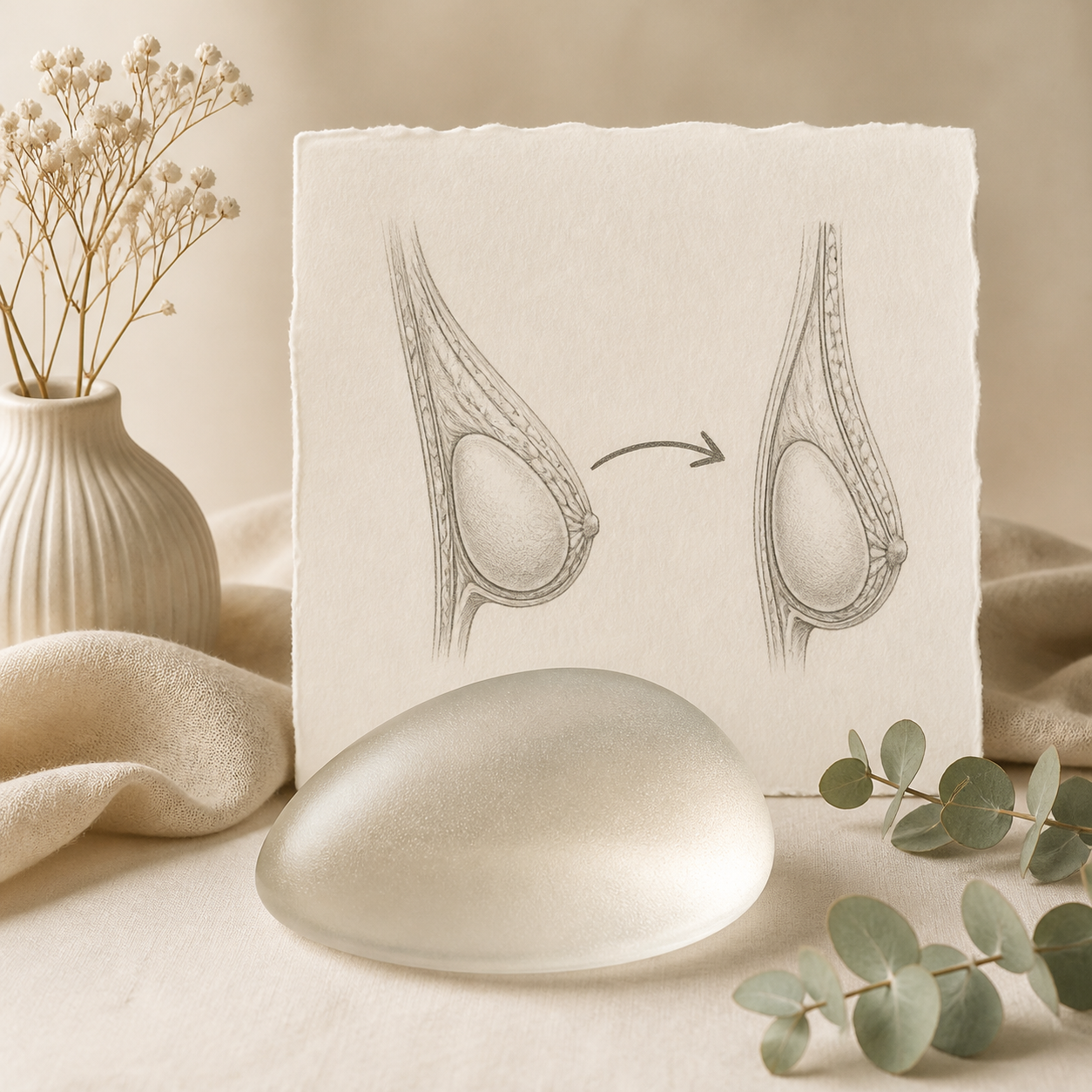
Breast Implant Rotation
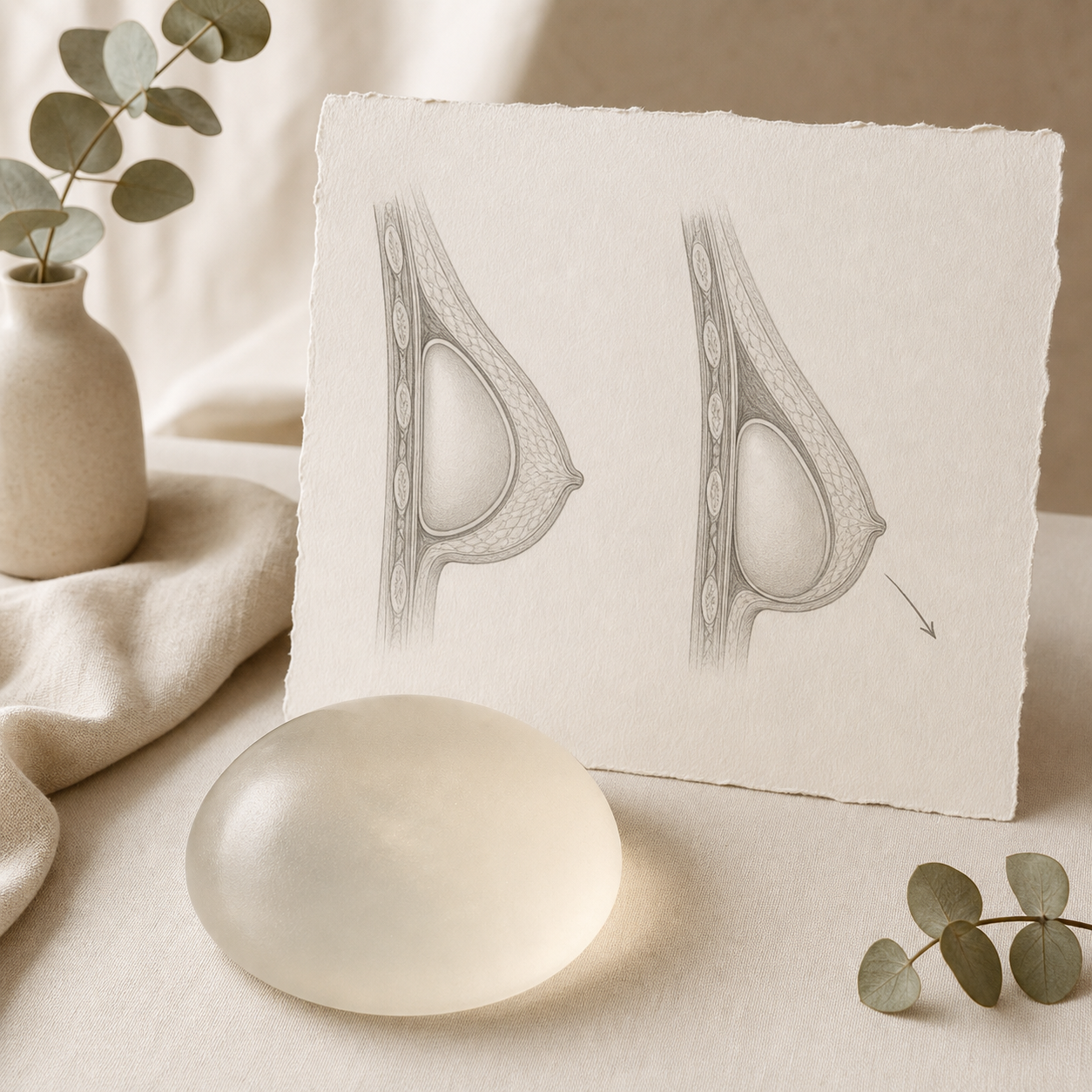
Breast Implant Displacement (Migration)
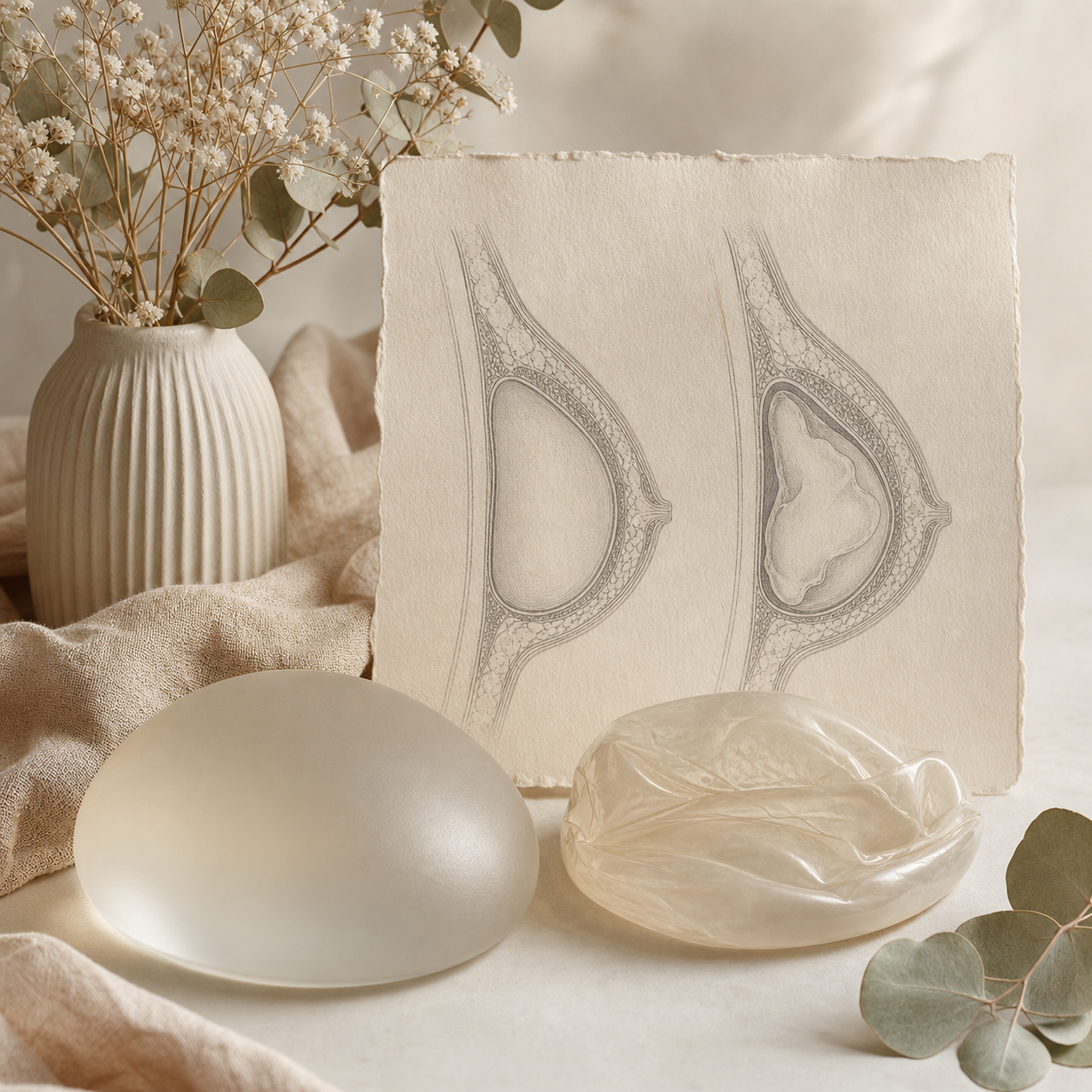
Breast Implant Rupture
Breast Augmentation Frequently Asked Questions
Is breast augmentation surgery painful?
It is normal to experience a feeling of tightness and pressure, particularly in the breasts, during the first few days. Whilst the level of pain may vary from person to person, it can usually be easily managed with the prescribed medication in most patients. Symptoms generally subside significantly within the first week.
Will I be able to breastfeed after breast augmentation surgery?
In breast augmentation surgery performed using appropriate surgical techniques, the ability to breastfeed is preserved in most patients. However, as with any surgical procedure, individual variations may occur.
Do breast implants need to be replaced?
High-quality breast implants currently in use do not need to be replaced routinely after a certain period of time. However, revision surgery may be planned should a problem arise with the implant or should the patient’s expectations change.
Can breast implants burst?
Modern silicone implants are highly durable and are not expected to rupture spontaneously in everyday life. In cases of concern, an assessment can be carried out using ultrasound or magnetic resonance imaging.
What is capsular contracture?
It is normal for a thin capsule to form around every breast implant. In rare cases, this capsule may harden, causing a change in the shape of the breast or a feeling of firmness. This condition is known as capsular contracture and can be treated surgically if necessary.
What is the dual-plane technique?
The dual-plane technique is a placement method in which the upper part of the implant is positioned beneath the pectoral muscle and the lower part beneath the breast tissue. In suitable patients, in particular, it can provide a more natural transition and long-term support.
Is submuscular or subfascial better?
Both techniques have their advantages. The most appropriate method is determined following a consultation, taking into account the thickness of the breast tissue, skin type and aesthetic expectations.
When can I have a shower after breast augmentation surgery?
Following the initial dressing change and check-up, you can usually have a shower within a few days, as advised by your surgeon.
When can I return to work?
Many patients with sedentary jobs are able to resume their daily lives and return to work within 3–5 days. However, those in physically demanding jobs may require a longer period of rest.
When can I start exercising?
Walking can be started at an early stage. It is generally recommended to wait 4–6 weeks before starting weight-bearing exercises and intensive upper-body exercises.
When do the breasts take on their final shape after breast augmentation surgery?
In the first few weeks, the breasts may appear firmer and sit higher due to oedema. As the healing process progresses, the implants settle into their natural position and the final result becomes apparent within 3–6 months in most patients.
Can you lose sensation in the nipple?
Temporary changes in sensation in the nipple may occur during the first few months. In the majority of patients, this resolves over time.
Can I get pregnant after breast augmentation surgery?
Yes. Breast augmentation surgery does not prevent you from becoming pregnant. However, pregnancy and breastfeeding can cause natural changes to the shape of the breasts.
Is it possible to achieve a natural-looking breast augmentation?
Yes. With the right choice of implant, the appropriate surgical technique and planning tailored to the patient’s anatomy, it is possible to achieve natural-looking results.
What is the ideal age for breast augmentation surgery?
It may be suitable for adult women whose breasts have finished developing and who have no health problems that would prevent them from undergoing surgery. The most accurate assessment is made following a detailed examination.
What size breast implant (in cc) would be suitable for me?
The ideal implant volume is not determined solely by the size the patient requests. The decision is made by taking into account the width of the ribcage, the thickness of the breast tissue, skin elasticity and body proportions. Two different implants of the same volume can produce completely different results in different anatomical structures. For this reason, the implant volume must be planned on an individual basis.
Should you opt for round or teardrop-shaped implants?
Nowadays, there are applications for both anatomical (teardrop-shaped) and round implants. In my own practice, I have mostly opted for new-generation round implants in recent years. With the right patient selection and appropriate surgical planning, it is possible to achieve extremely natural results with round implants as well. Which implant is more suitable, however, should be determined based on the patient’s anatomical structure.
What are Motiva Preserve® and Motiva Mia®?
The Preserve® and Mia® approaches, developed by Motiva®, are next-generation approaches that emphasise tissue-preserving surgical principles in breast augmentation surgery. Whilst Preserve® represents a surgical philosophy focused on the preservation of breast tissue, Mia® is a specialised breast augmentation concept developed for a suitable patient group, aiming for smaller incisions and faster recovery.
Not every patient may be suitable for these techniques. Therefore, during the consultation, the patient’s anatomical structure is assessed, and a joint decision is made as to whether traditional breast augmentation methods or one of these new approaches would be more appropriate.
Breast augmentation surgery prices may vary depending on the type of implant used, the surgical technique and the patient’s individual needs. Pricing in Istanbul is generally determined by the quality of the materials used and the surgeon’s level of experience.