RECONSTRUCTION DURING MASTECTOMY
Immediate Breast Reconstruction After Mastectomy
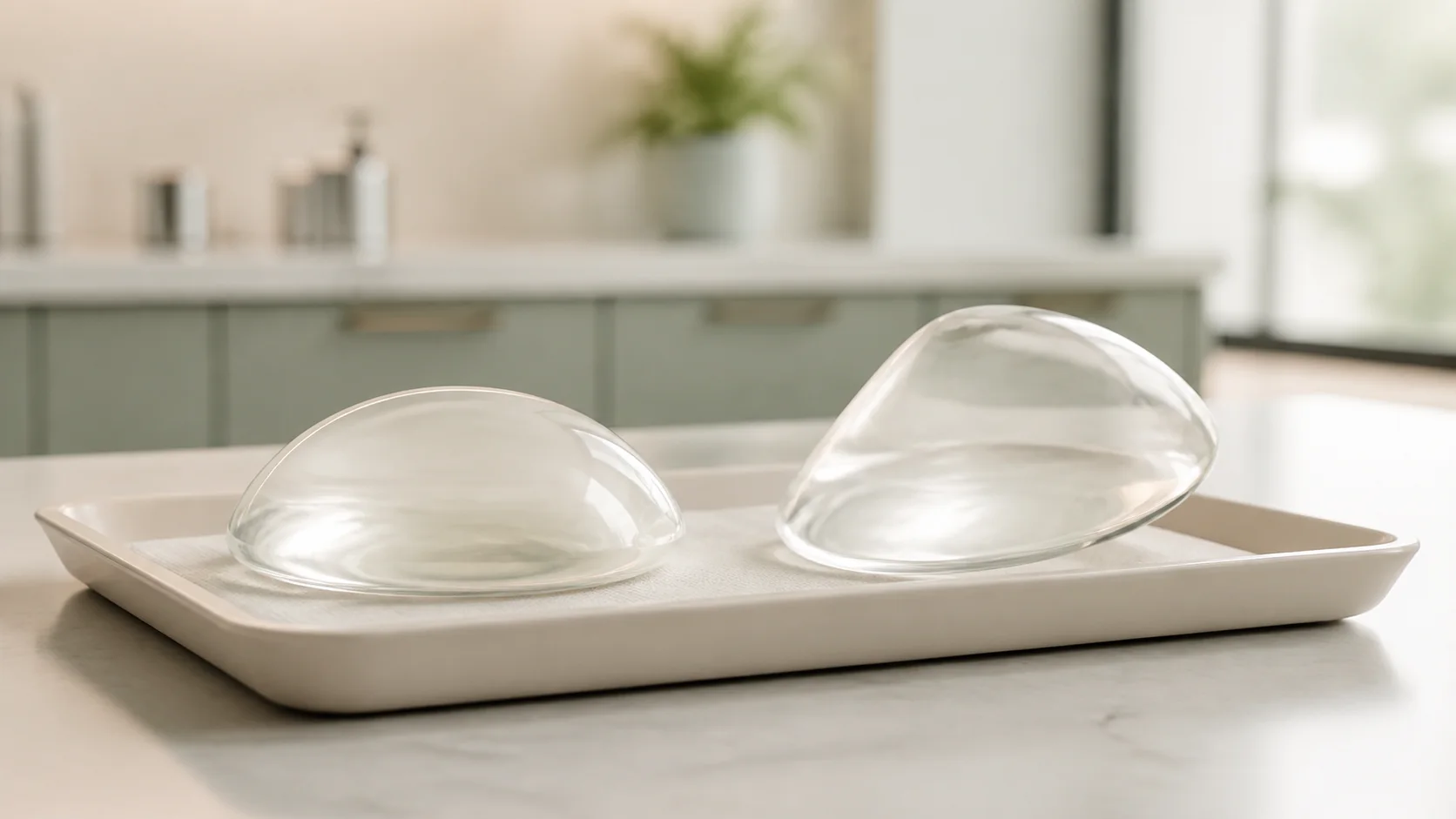
Rebuilding the breast with a permanent implant during the mastectomy is considered only when the oncological plan is appropriate and the mastectomy skin has dependable circulation.

What Is Immediate Breast Reconstruction?
Immediate breast reconstruction rebuilds breast volume during the same operation as the mastectomy. For a suitable patient, it may preserve more of the available breast skin and avoid a period with a flat chest wall.
This is not a decision made by the plastic surgeon alone. Cancer stage and position, the extent of mastectomy, possible radiotherapy or systemic treatment and the circulation of the remaining skin must be assessed together. Oncological safety always comes first.
Who May Be Suitable?
Immediate reconstruction may be considered when mastectomy is planned and there is no oncological reason to delay reconstruction. General health, smoking, diabetes, vascular disease, previous surgery and chest-wall tissues may affect wound healing.
Not every mastectomy patient is suitable for a direct-to-implant procedure. The retained skin must be thick and well perfused enough to cover the implant safely, while the mastectomy still achieves adequate oncological margins.
How Is the Decision Made With the Breast Surgery and Oncology Teams?
I plan immediate reconstruction with the breast surgeons I work with. Before surgery, we consider the cancer stage, mastectomy technique and whether a dependable skin flap can be preserved. The likelihood of radiotherapy and other treatments also influences the reconstructive choice.
If we expect the mastectomy skin to be at risk, we do not plan a single-stage reconstruction. If an unexpected circulation problem becomes apparent during surgery, I do not force implant placement; reconstruction is deferred to a second operation. This is uncommon in our current practice.
Which Methods Can Be Used During Immediate Reconstruction?
Direct-to-Implant Breast Reconstruction
In my practice, when the oncological plan is appropriate and the mastectomy skin has reliable circulation, I use a permanent implant directly at the same operation. Implant dimensions are selected according to the preserved skin envelope, chest base, opposite breast and the remaining soft-tissue cover.
Staged Reconstruction With a Tissue Expander
A tissue expander may be used in some centres to prepare the tissues gradually or accommodate later treatments. However, placing an expander under poorly perfused mastectomy skin is not automatically safe. When circulation is doubtful, I prefer to defer reconstruction rather than place an implant or expander under tension.
Autologous Tissue and Combined Options
Flap reconstruction or a flap-and-implant combination may be appropriate for selected patients. I discuss the wider range of flap options, particularly for delayed reconstruction after radiotherapy, in my guide to breast reconstruction after cancer or mastectomy.
How Do Skin-Sparing and Nipple-Sparing Mastectomy Affect Reconstruction?
Skin-sparing mastectomy can preserve an envelope that helps shape the reconstructed breast. Nipple-sparing mastectomy may be considered only when tumour location, its relationship to the nipple, surgical margins and blood supply are suitable.
Nipple preservation cannot be decided for appearance alone. If it is not oncologically safe, the nipple and areola can be reconstructed later. The options are explained in my guide to nipple and areola surgery.
How Does Planned Radiotherapy Affect the Method?
Post-mastectomy radiotherapy can affect an implant reconstruction and its surrounding tissues. It may contribute to stiffness, thinning, reduced elasticity and a higher risk of capsular contracture.
The possibility of radiotherapy does not automatically rule out immediate reconstruction, but it requires the implant, staged and delayed options to be considered with the oncology team. Practice-specific waiting periods for delayed reconstruction belong to the separate delayed reconstruction guide rather than this page.
What Are the Potential Benefits of Immediate Reconstruction?
For suitable patients, immediate reconstruction can use the preserved skin envelope, create a breast contour during the mastectomy and avoid a separate starting operation for reconstruction. It may support body image and clothing confidence.
One-stage surgery does not necessarily mean that reconstruction is completely finished. Fat grafting, contour refinement, symmetry surgery on the opposite breast or nipple-areola reconstruction may still be planned later.
Limitations, Risks and the Possibility of Further Surgery
Risks include bleeding, infection, fluid collection, wound-healing problems, reduced circulation to the skin or nipple, implant visibility or palpability, asymmetry and capsular contracture. A circulation problem may occasionally mean that an implant should not be placed or must later be removed.
Breast implants are not guaranteed lifetime devices. Follow-up and the possibility of implant exchange or another refinement should be discussed from the outset.
How Are Hospital Stay and Recovery Planned?
Operating time and hospital stay vary according to unilateral or bilateral mastectomy, lymph-node surgery, the reconstructive method and general health. I therefore do not give one fixed operating time or discharge day.
Drain management, wound care, shoulder movement and return to daily activities follow a joint breast-surgery and plastic-surgery plan. Increasing pain, rapid one-sided swelling, fever, redness, discharge or a marked change in skin colour should be reported promptly.
When Are Nipple, Areola and Symmetry Procedures Performed?
If the nipple cannot be preserved, nipple and areola reconstruction is usually considered after the main breast mound has settled. The opposite breast may need lifting, reduction or augmentation. Timing depends on the oncology plan and the shape of both breasts.
What If Immediate Reconstruction Is Not Suitable?
Not having reconstruction during mastectomy does not remove the option permanently. After cancer treatment and tissue recovery, delayed reconstruction may use an implant, a tissue expander or the patient’s own tissue.
I explain these methods and my approach after radiotherapy in the guide to breast reconstruction after cancer.
Frequently Asked Questions
Is immediate breast reconstruction suitable for everyone?
No. The oncology plan, mastectomy-skin circulation, general health and future treatments must be assessed together. Reconstruction can be deferred when skin safety is uncertain.
Can I have immediate reconstruction if radiotherapy is planned?
It may be possible for some patients, but radiotherapy can affect implants and surrounding tissues. Implant, staged and delayed options should be discussed by the multidisciplinary team.
Is a permanent implant or a tissue expander used?
In my practice I use a permanent implant directly when skin circulation and the oncology plan are suitable. If circulation is doubtful, I do not force placement of either an implant or an expander.
Can the nipple be preserved during the same operation?
It may be preserved when tumour position, surgical margins and blood supply allow. Oncological safety takes priority over appearance.
Can reconstruction delay cancer treatment?
The plan aims to avoid delaying oncology treatment. Because wound-healing complications can affect timing, patient selection and coordination between teams are essential.
Will I need another operation later?
Possibly. Fat grafting, symmetry surgery, nipple-areola reconstruction or later implant surgery may form part of the reconstructive pathway.
Is recovery different from mastectomy alone?
Reconstruction adds another surgical component, so drain care, wound monitoring and movement advice may differ. Bilateral surgery and lymph-node procedures also affect recovery.
Is an implant or my own tissue used?
Both are possible. This page focuses on direct-to-implant reconstruction; autologous options are selected according to available tissue and the treatment plan.
Can reconstruction be performed later if it is not done immediately?
Yes. Delayed breast reconstruction can be planned after cancer treatment and tissue recovery.
How long does the operation take?
Duration varies with the extent of mastectomy, unilateral or bilateral surgery, lymph-node treatment and reconstructive method. There is no single operating time that applies to everyone.
How long will I stay in hospital?
Discharge depends on the extent of surgery, skin and wound monitoring, drains and general recovery. A fixed number of days cannot be promised.
Does immediate reconstruction interfere with cancer surveillance?
Oncology follow-up continues as planned. The implant and reconstruction method should be communicated to the radiology team so that imaging can be tailored appropriately.