

Tissue-Preserving Breast Augmentation with Preservé
A modern surgical approach aimed at ensuring a more controlled preparation of the implant pocket during subglandular implant placement and preserving specific anatomical structures as much as possible.
Why Did I Write This Article?
One of the questions my patients interested in breast augmentation surgery have been asking me most frequently over the last few years is about the Preserve approach.
On social media, websites and in various promotional materials, Preserve is often described using terms such as ‘next-generation breast augmentation’, ‘minimally invasive breast augmentation’ or ‘tissue-preserving breast augmentation’. Consequently, many people believe that Preserve is an entirely new surgical technique or a new method in which the implant is placed in a different location.
In reality, however, the issue is a little more complex than that.
I consider the development of new technologies in medicine to be of immense value. More advanced implants, new surgical equipment and different surgical approaches can offer significant benefits to both surgeons and patients in suitable cases. However, I believe it is equally important to distinguish between scientific facts and marketing rhetoric when evaluating these developments.
For me, the most important factor in determining the success of a breast augmentation operation is not the brand or surgical system used. Careful patient selection, a detailed anatomical assessment, the choice of the right implant and a personalised surgical plan always take precedence over technology. Technology, however, is an important tool in the right hands to support this planning.
I have written this article with the aim of explaining, in plain language, what the ‘Preserve’ approach actually entails, how it differs from traditional subglandular breast augmentation in various respects, its advantages and limitations, and my own surgical approach to this procedure.
What Will You Learn on This Page?
In this guide, you will find answers to the following questions:
- What exactly is the Preserve breast augmentation procedure?
- Is Preserve really a new breast augmentation technique?
- What is the difference between this and traditional subglandular breast augmentation?
- What is the aim of the ‘Preserve’ approach?
- What are the potential advantages and disadvantages?
- Who might it be suitable for?
- Who might it not be suitable for?
- Why don’t I apply the ‘preserve’ approach in the same way for every patient?
The Biggest Misconception About Preserve
Before we begin discussing the ‘Preserve’ approach, it is necessary to clarify an important conceptual confusion.
In much of the content available online, Preserve is described as if it were a new breast augmentation technique in which the implant is placed in a completely different area. Consequently, many patients believe that Preserve is a method entirely distinct from conventional breast augmentation surgery.
However, in order to properly assess Preserve, it is first necessary to understand the anatomical planes within the breast where breast implants can be placed.
Nowadays, breast implants can generally be placed in the subglandular, dual-plane or, more rarely, submuscular planes. The ‘Preserve’ approach, however, does not define a new placement plan amongst these.
Instead, it refers to a different surgical approach that focuses on how the implant pocket is prepared during the placement of subglandular implants in suitable patients.
It would therefore be more accurate to regard Preserve not as an entirely new method of breast augmentation, but as a modern approach aimed at improving the way one of the existing surgical techniques is carried out.
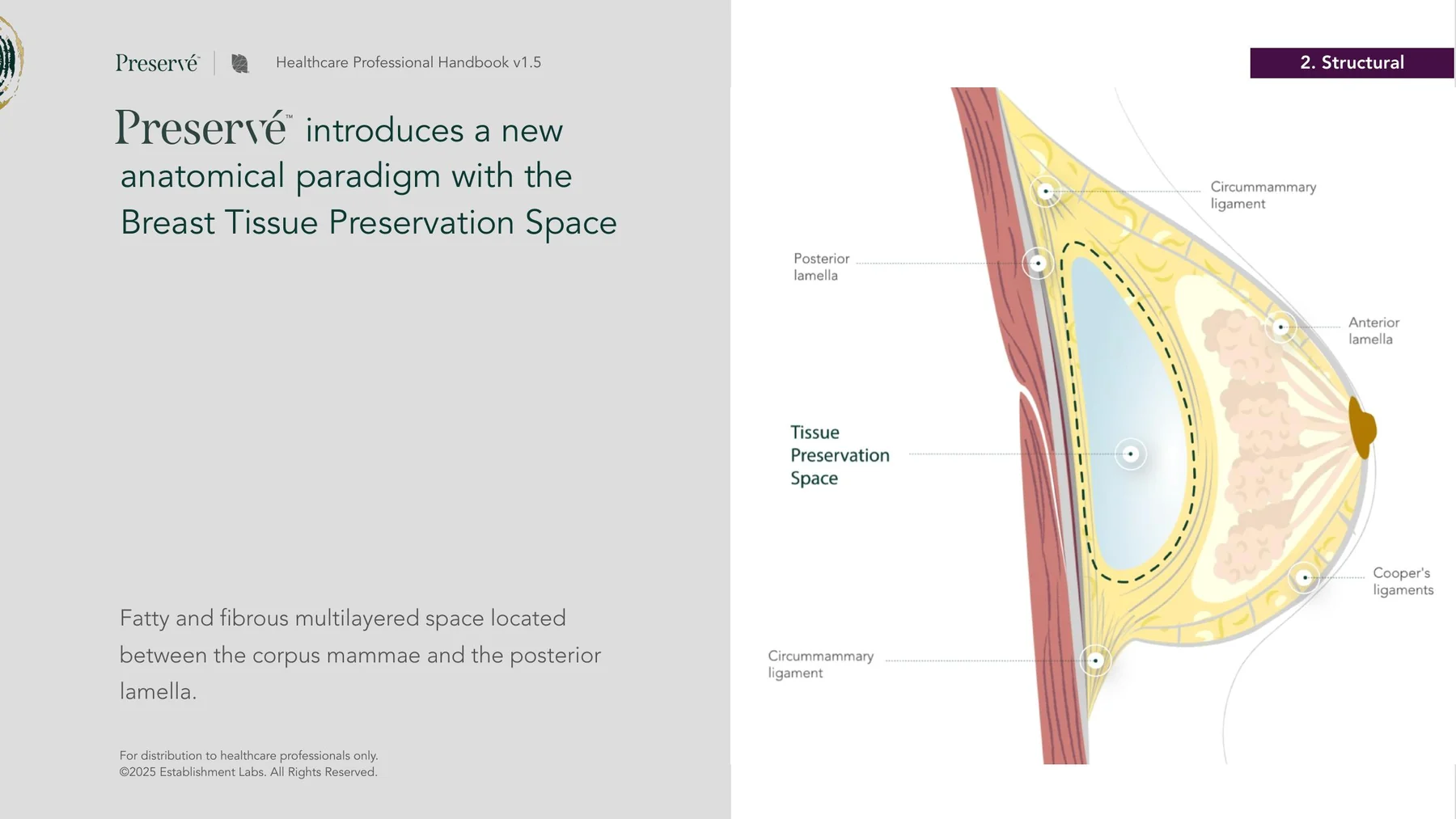
Not a new implant plan, but a controlled preparation approach
Preservé does not alter the anatomical plane in which the implant is placed. The fundamental difference lies in the more controlled preparation of the subglandular implant pocket and the approach to the tissues in suitable patients.
What is Preserve Breast Augmentation?
‘Preserve’ refers to the surgical approach used to prepare the implant pocket when a breast implant is placed in the subglandular plane in suitable patients.
In conventional subglandular breast augmentation surgery, the implant pocket is created by the surgeon using standard surgical dissection techniques. In the ‘Preserve’ approach, however, specially developed auxiliary equipment is utilised during this process, with the aim of preserving specific anatomical structures as much as possible.
The implant pocket is prepared in a controlled manner with a balloon dissector. Compared with conventional surgical dissection, this reduces tissue trauma and enables a faster, more comfortable early recovery.
The key point here is this: in the ‘Preserve’ approach, it is not the anatomical plane in which the implant is placed that changes, but the method used to prepare the implant site.
For this reason, rather than defining Preserve as an entirely new implant placement technique, it would be more accurate to regard it as one of the modern surgical approaches used in subglandular breast augmentation surgery.
Every Preserve procedure is a subglandular breast augmentation; however, not every subglandular breast augmentation is a Preserve procedure. This is because the Preserve approach defines the method used to prepare the implant pocket, rather than the anatomical plane in which the implant is placed.
How Is the Implant Pocket Prepared With a Balloon Dissector?
In Preservé breast augmentation, the over-the-muscle implant pocket is created with a dedicated balloon dissector rather than conventional surgical dissection. The balloon is expanded gradually within the planned boundaries. This reduces tissue trauma and allows the implant to be placed through a 2 cm incision.
Why was the Preserve Approach developed?
The surgical techniques and equipment used in breast augmentation surgery have advanced significantly over the years. The primary aim of these advancements is not only to improve the aesthetic outcome, but also to make the surgical procedure more controlled and to support the recovery process in suitable patients.
The ‘preserve’ approach is one of the modern surgical approaches developed in line with this philosophy.
The aim of this method is to perform a more controlled dissection whilst preserving, as far as possible, specific connective tissues, vascular structures and nerve branches whilst preparing the pocket into which the implant will be placed. To this end, specialised auxiliary equipment is used in addition to conventional surgical techniques.
The key point here is that the Preserve approach is not a new surgical technique that guarantees the same outcome for every patient. To put it more accurately, Preserve is a modern clinical approach aimed at achieving specific surgical objectives.
As in surgery, the outcome achieved here depends on the patient’s anatomical structure, surgical planning and the appropriate application of the technique to the right patient.
Surgical instruments for the Preservé system
These instruments do not determine the outcome on their own; they are used to support the surgeon’s anatomical assessment and the controlled preparation of the surgical site as planned.
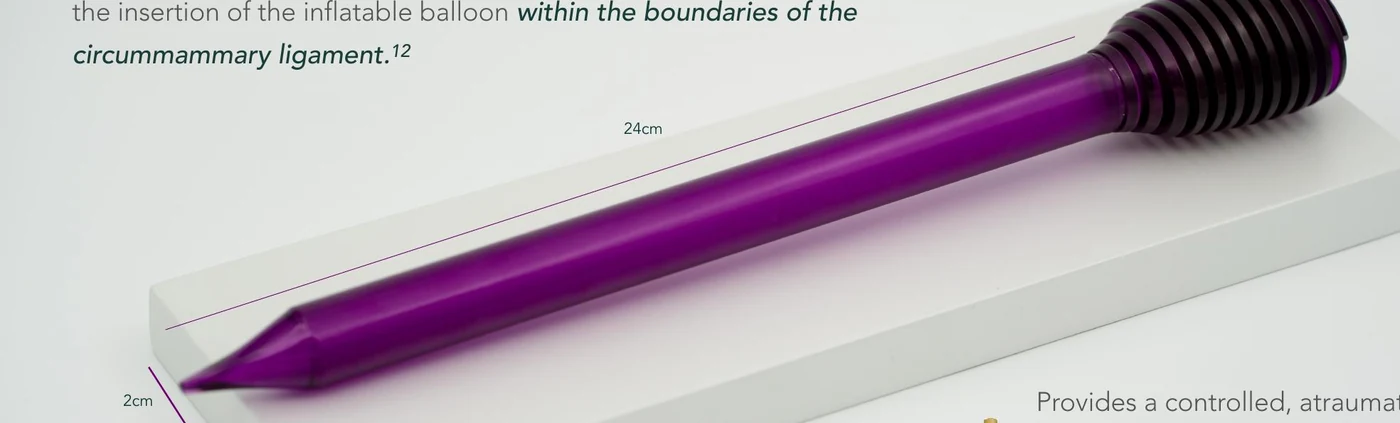 Canal separator: Assists in the controlled preparation of the access canal.
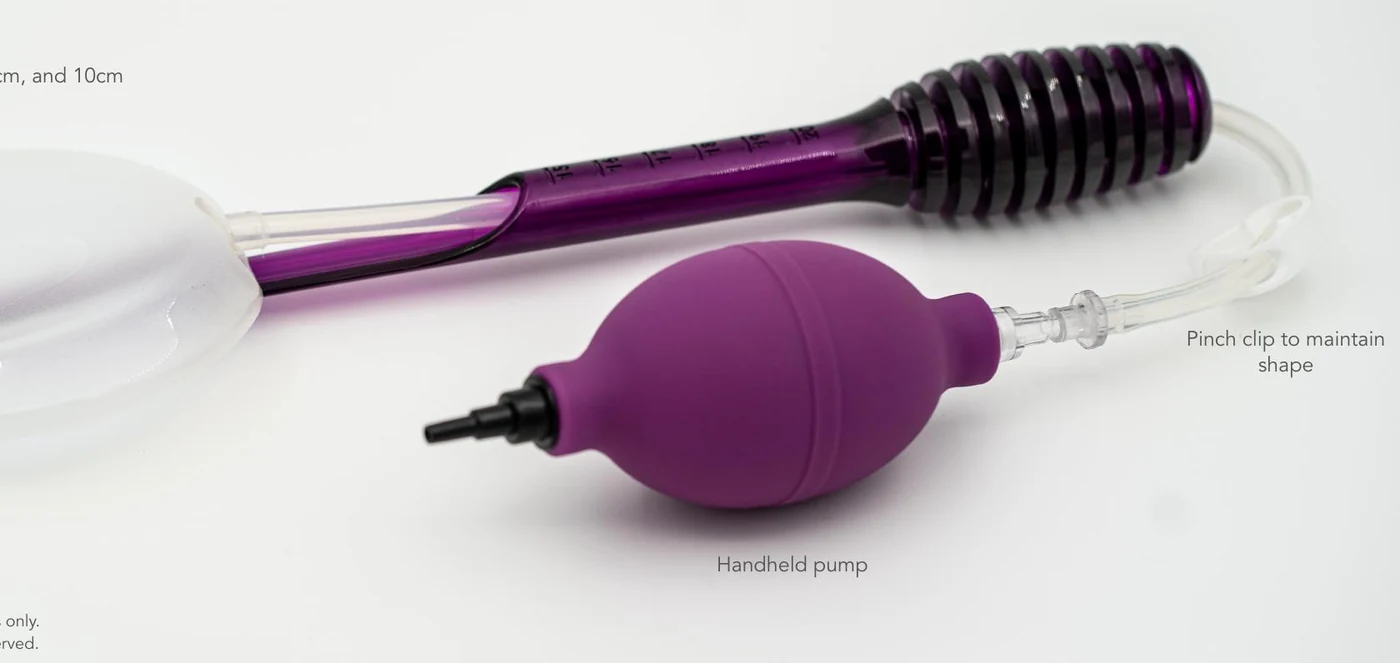 Controlled expansion: Supports the gradual creation of the planned pocket volume.
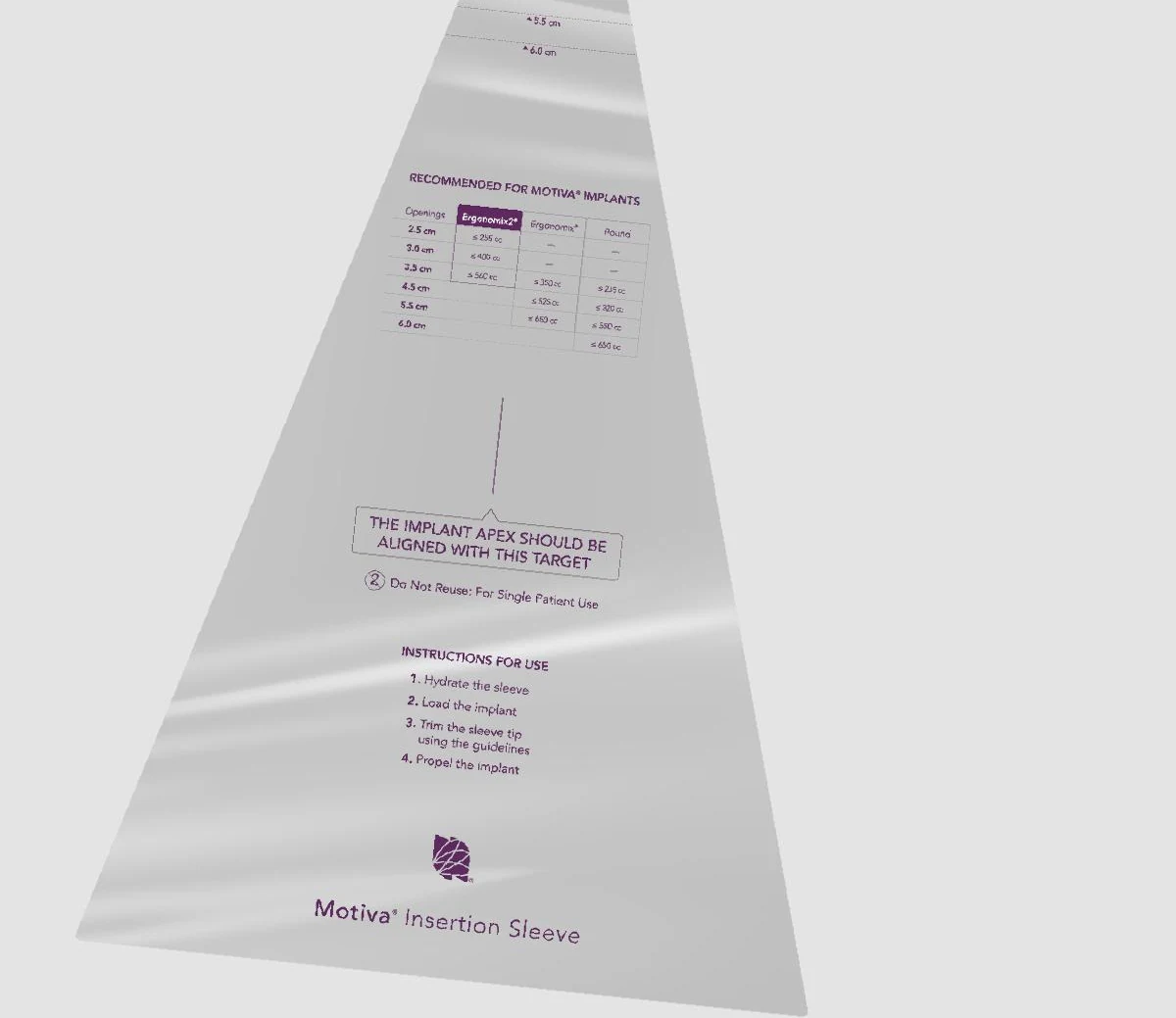 Placement sleeve: Assists in the controlled transfer of the implant through the small access site.
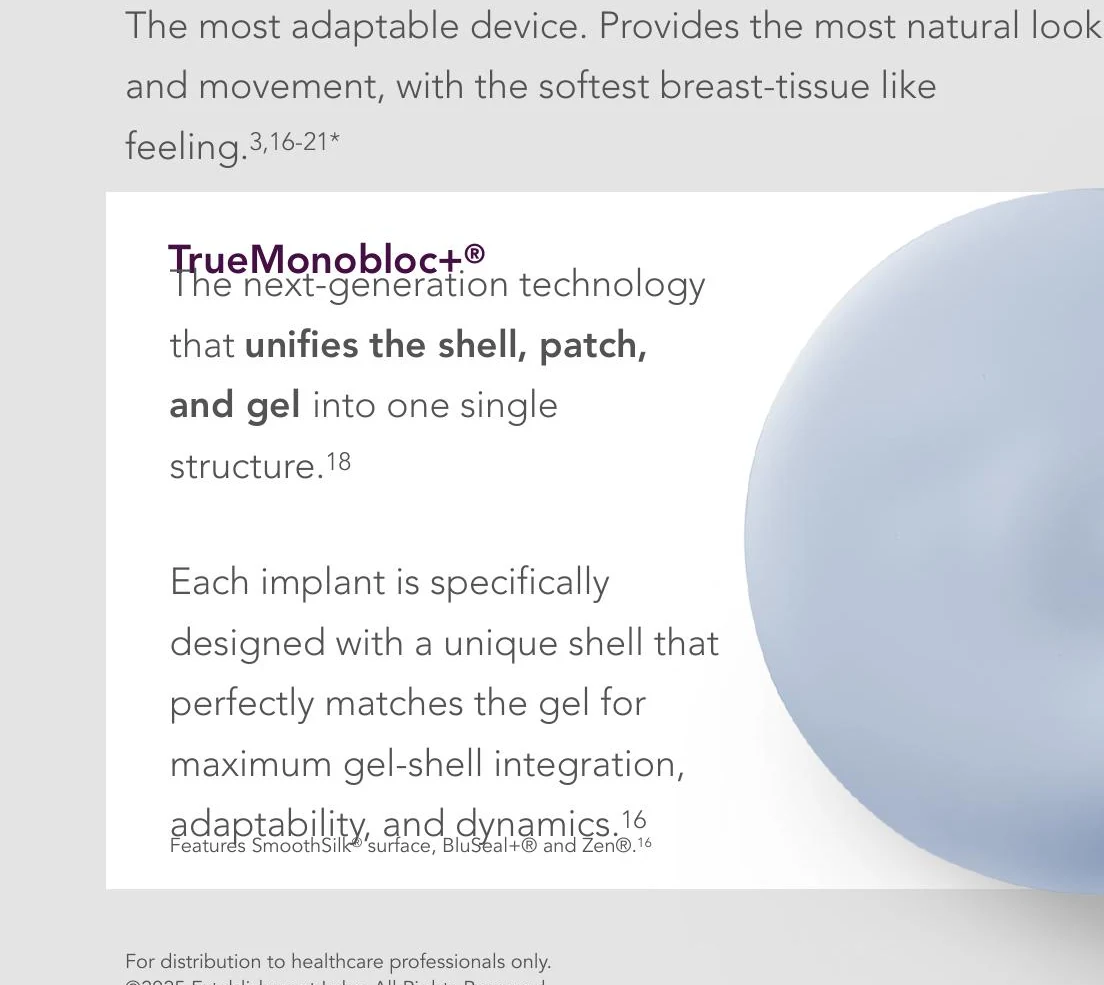 Implant system: Selection is personalised according to tissue thickness and aesthetic goals.
What are the key objectives of the ‘Preserve’ approach?
The aim of the ‘Preserve’ approach is not to completely overhaul conventional breast augmentation surgery, but rather to seek to improve the preparation of the implant pocket in certain respects.
The key objectives of this approach are as follows:
- To ensure that the implant site is prepared in a more controlled manner
- To aim to preserve as much connective tissue as possible
- To reduce unnecessary tissue trauma
- To support post-operative comfort in suitable patients
- Making use of modern equipment that can assist with surgical planning
All of these objectives form part of the surgical planning process. However, it would be incorrect to say that they will be achieved to the same extent in every patient. Outcomes may vary depending on the patient’s anatomical characteristics, the surgical technique and how the operation is carried out.
It is necessary to distinguish between technological developments and marketing language
I consider the development of new technologies in medicine to be of immense value. Plastic surgery is also a constantly evolving field, and the implants, surgical equipment and surgical techniques we use today have advanced significantly compared to those of 10–15 years ago.
Thanks to these developments, it is possible to perform more precise surgery on some patients, the recovery process can be made more comfortable, and the surgeon’s scope of practice can be expanded. From this perspective, I regard the Preserve approach as part of the technological advances in plastic surgery.
That said, I believe it is important to distinguish between scientific facts and marketing rhetoric when evaluating new technologies.
From time to time, in content promoting new surgical techniques, breast augmentation surgery is sometimes presented as if it were a simple cosmetic procedure. Of course, the fact that it can be performed under local anaesthesia in suitable patients and that it aims to ensure a more comfortable early recovery period may be significant advantages. However, this does not alter the fact that the procedure is a surgical operation.
The ‘Preserve’ approach is, ultimately, a breast augmentation operation. The fact that it can be performed under local anaesthesia, that the aim is a quicker return to daily life, or that different surgical equipment is used does not diminish the importance of pre-operative assessment, surgical planning and safe operating conditions.
That is why I always tell my patients the same thing: the technology used is important, but it is not the only factor that determines the success of a breast augmentation operation.
A successful outcome is based on the correct patient selection, the correct choice of implant, the correct implant placement plan and the surgeon’s experience. Technology, meanwhile, is a valuable tool that supports proper planning; it does not, on its own, guarantee the outcome.
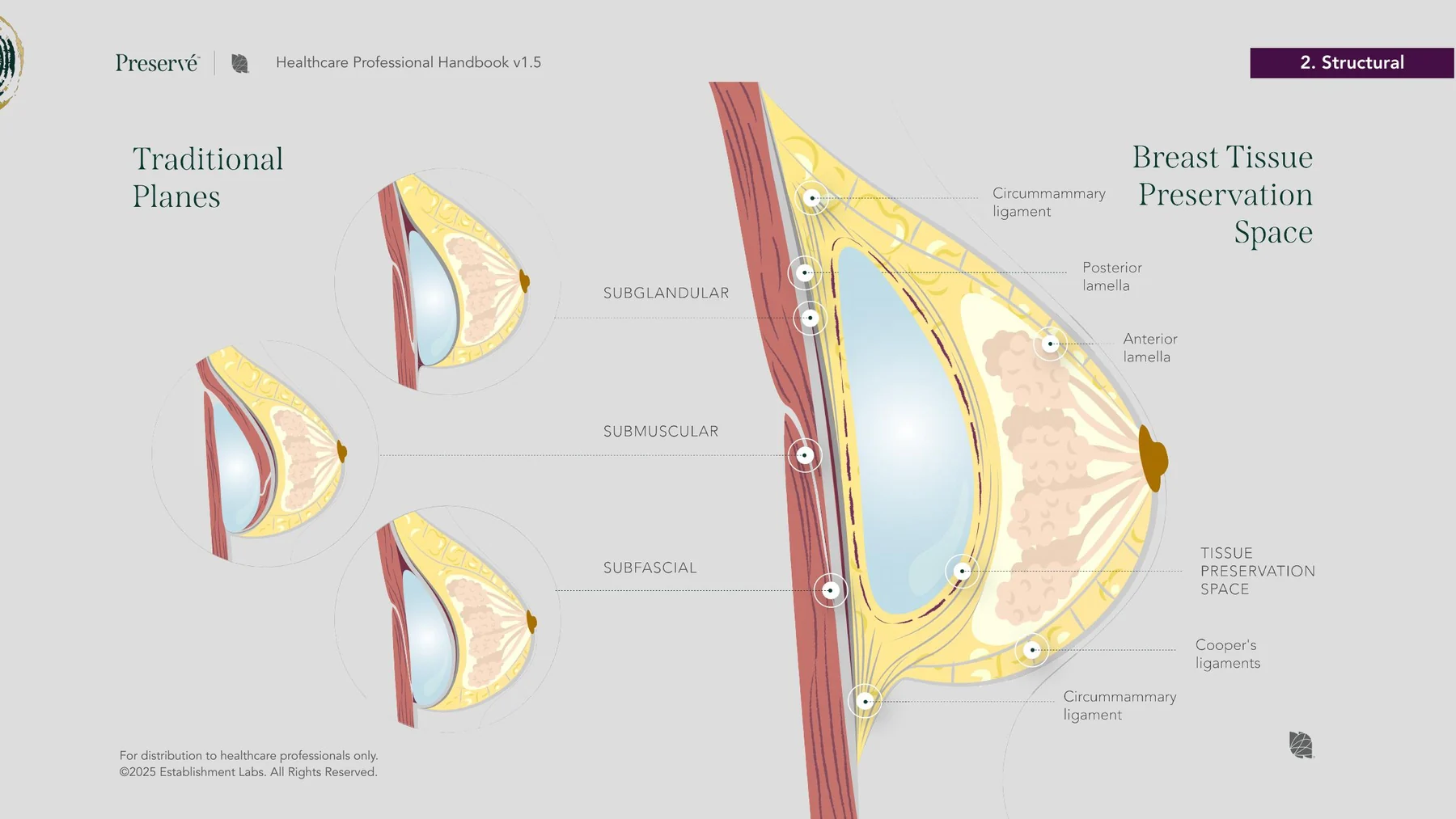
The difference lies not so much in the implant itself as in the way the socket is prepared
The choice of implant is again based on the patient’s anatomy. The Preservé system contributes by providing tools and steps that support the controlled creation of the planned implant site.
What is the difference between Preserve and traditional subglandular breast augmentation?
In answering this question, it is important to emphasise the following point first and foremost:
In both methods, the implant is placed in the same anatomical plane—that is, on top of the pectoral muscle—in suitable patients.
Consequently, the fundamental difference does not lie in the area where the implant is placed.
The difference lies in the surgical approach used to prepare the implant site and the auxiliary equipment chosen for this procedure.
In conventional subglandular breast augmentation surgery, the implant pocket is created by the surgeon using standard surgical dissection techniques. With the Preserve approach, however, specialised instruments—developed specifically for this purpose—are utilised whilst creating the implant pocket, with the aim of preserving certain anatomical structures as much as possible. Furthermore, whilst the incision made beneath the breast during conventional subglandular augmentation may be at least 4 cm long, the Preserve technique requires an incision of just 2 cm. In other words, the scar is shorter.
For this reason, it is not correct to regard Preserve as a completely different implant placement technique. To put it more accurately, Preserve is a modern surgical approach developed to improve the way in which subglandular breast augmentation surgery is performed.
| Traditional Subglandular Breast Augmentation | Preserve Approach |
|---|---|
| In suitable patients, the implant is placed above the pectoral muscle (subglandular plane). | The implant is again placed above the pectoral muscle (subglandular plane) in suitable patients. |
| The implant pocket is prepared using standard surgical dissection techniques. | Specialised instruments are utilised when preparing the implant pocket, with the aim of preserving specific anatomical structures as much as possible. |
| The surgical approach focuses on the safe placement of the implant. | Balloon-assisted pocket preparation reduces tissue trauma compared with conventional surgical dissection. |
| Conventional implant surgery requires an incision of at least 4 cm for safe implant placement. | Preservé uses a 2 cm inframammary incision. |
| The post-operative recovery process may vary depending on the patient’s anatomy and the surgical technique used. | Reduced tissue trauma provides a faster and more comfortable early recovery. |
| A successful outcome depends on the correct patient selection, the correct implant selection and the surgeon’s experience. | A successful outcome is again dependent on correct patient selection, the right choice of implant, correct surgical planning and the surgeon’s experience. |
A natural-looking result stems not from a single system, but from proper planning
A balanced result is achieved by taking into account the correct patient selection, the appropriate implant volume, soft tissue thickness and surgical experience.
Potential Benefits of the ‘Preserve’ Approach
One of the most frequently asked questions about the ‘Preserve’ approach is what benefits it offers.
The important point here is to recognise that these benefits are the intended surgical outcomes. It would not be correct to say that they will manifest in the same way in every patient.
The potential benefits that the Preserve approach may offer in suitable patients are as follows:
The aim is to perform a more controlled surgical dissection.
The aim is to prepare the implant site in a more controlled manner with the aid of specialised instruments.
The aim is to preserve certain anatomical structures.
Depending on the surgical plan, the aim is to preserve specific connective tissues, blood vessels and nerve branches as far as possible.
It may help to improve comfort in the early stages for suitable patients.
Because balloon-assisted pocket preparation reduces tissue trauma, early recovery is faster and more comfortable. The day-to-day course still varies with individual anatomy and healing response.
It can be administered under local anaesthesia.
Preservé is performed under local anaesthesia with sedation; general anaesthesia is not required. Local anaesthesia blocks pain in the surgical area, while sedation supports comfort and relaxation. They are not the same.
The aim is to achieve a natural result.
The aim of the ‘Preserve’ approach is not only to support the healing process but also, when the right patient is selected, to achieve a natural-looking breast shape. However, the natural-looking result is not determined by the system used alone; it is the result of the combination of implant selection, implant placement and surgical planning.
A shorter trace is obtained.
Preservé uses a 2 cm inframammary incision. This produces a shorter scar than the minimum 4 cm incision required for conventional implant surgery.
Is Preservé Breast Augmentation Performed Under Local Anaesthesia?
Preservé breast augmentation is performed under local anaesthesia with sedation; general anaesthesia is not required. Local anaesthesia blocks pain in the surgical area, while sedation keeps the patient relaxed and comfortable. These are different components of the same anaesthetic plan.
Because sedation is used, the patient should not drive or travel home alone. After clinical assessment, patients are discharged on the same day with a responsible adult escort.
Recovery and Same-Day Discharge After Preservé
Balloon-assisted pocket preparation reduces tissue trauma compared with conventional surgical dissection. As a result, early recovery is faster and more comfortable. Patients can be discharged on the same day after their checks, accompanied by a responsible adult.
Return to daily activities is still planned according to anatomy, implant characteristics and the individual healing response. For showering, sleeping positions, exercise and other activities, see my breast augmentation recovery guide.
The Limitations of the ‘Preserve’ Approach and What You Need to Know
The ‘Preserve’ approach is a modern surgical technique aimed at achieving successful outcomes in suitable patients. However, as with any new technology, this method has certain limitations that need to be properly understood.
The most important point is that Preserve is not a suitable method for every patient. The success of a surgical approach depends not only on the equipment used, but also on the patient’s anatomy and proper surgical planning.
Not every patient is suitable for Preserve
Subglandular breast augmentation may not be safe or produce ideal results for every patient. Alternative surgical approaches may be more appropriate, particularly for patients with thin breast tissue, insufficient soft tissue thickness in the upper pole, or a high risk of implant edge visibility.
For this reason, whether a patient is suitable for the Preserve approach can only be assessed following a detailed examination.
It is not just the system used that determines a successful outcome
Sometimes patients ask, ‘Will the results be better if I have a Preserve procedure?’
In fact, there is no single answer to this question.
The most important factors determining the success of a breast augmentation operation are: the selection of suitable patients, the choice of the right implant, the correct placement of the implant within the anatomical plane, and surgical planning. The surgical system used is just one of the elements that supports this process.
Consequently, the results achieved by two different surgeons using the same technology may differ. This is because, in cosmetic surgery, experience, technical knowledge and the surgical decision-making process are just as important as the equipment used.
Technology Cannot Replace Surgical Experience
New technologies used in plastic surgery can make the surgeon’s work easier and offer advantages at certain stages. However, no technology can replace the surgeon’s knowledge and experience.
Every breast augmentation operation requires an assessment of the patient’s anatomical characteristics, the selection of a suitable implant and advance planning to address potential risks.
For this reason, a successful outcome is always based on a correct surgical assessment.
It is important to set realistic expectations
In promotional materials relating to the Preserve approach, one may occasionally come across phrases such as ‘very rapid recovery’, ‘very little pain’ or ‘surgery that leaves virtually no scar’.
However, as with any surgical procedure, the recovery process can vary from person to person. Pain perception, the extent of swelling, wound healing and the time taken to return to daily life are all influenced by a number of factors, ranging from the patient’s biological characteristics to the surgical technique used.
For this reason, it is not correct to say that any single surgical method will provide the same experience for all patients. It would be far more sensible for patients to base their decision to undergo surgery on realistic expectations.
My Perspective on Preservé™
Rather than directing every patient at my clinic towards a single surgical technique, I first carry out a detailed assessment of their anatomical structure and aesthetic expectations.
If the patient is a suitable candidate for the Preserve approach, I explain this option in detail, and we assess its advantages and limitations together. However, if, following the examination, I believe that a different implant placement plan would be safer or yield more natural results, my recommendation will always be in that direction.
Because what matters to me is not applying a specific surgical technique, but devising the most appropriate surgical plan for each patient.
An Observation from My Clinical Experience
In recent years, as Preserve and similar ‘above-the-muscle’ approaches have become the subject of increasing discussion, we have seen these methods being heavily promoted on social media as well.
Particularly in the early stages, we also observed that some content creators opted for these procedures as part of promotional campaigns or collaborations. In fact, some individuals whom I considered not to be ideal candidates for an anatomical subglandular placement during their consultations, or for whom I did not deem the Preserve approach suitable due to a noticeable difference in level in the lower pole of the breast, nevertheless chose to undergo surgery using this method at other centres.
Over the intervening period, some of these patients returned to the clinic to be assessed for revision surgery due to reasons such as the edges of the implants becoming visible, rippling, insufficient tissue coverage or aesthetic expectations not being met.
Of course, this does not mean that the ‘Preserve’ approach has failed. Similarly, subglandular breast augmentation can also yield extremely successful results in the right patient.
The most important conclusion I have drawn from these experiences is this: the most important factor determining the success of a surgical technique is that it is performed on the right patient.
For this reason, during my consultations, I first assess the patient’s anatomy and then work with them to plan which implant placement strategy will yield safer and more natural results in the long term. Sometimes this may be the Preserve approach; at other times, the Dual Plane or a different surgical approach may be the more appropriate choice for my patient.
No surgical procedure will yield the desired results if it is performed for the wrong indication. Conversely, procedures performed for the correct indication can be successful, regardless of their name.
Now that you’ve learnt about the ‘Preserve’ approach, you may also be wondering how the decision is made as to whether the implant should be placed above the muscle or using the Dual Plane technique. For this, you can read my detailed guide entitled ‘Should Breast Implants Be Placed Under or Above the Muscle?’.
For the overall procedure, see my breast augmentation page. For implant dimensions, shape and profile, see which breast implant is right for me?.
Frequently Asked Questions
What is breast augmentation with tissue preservation?
Preserve is a modern surgical approach that focuses on the preparation of the implant pocket in procedures where the breast implant is placed in the subglandular plane. It is not a new implant placement technique, but rather a method aimed at improving the execution of subglandular breast augmentation.
What is the difference between Preserve and traditional subglandular breast augmentation?
The fundamental difference does not lie in the anatomical plane in which the implant is placed. In both methods, the implant is placed over the muscle. What distinguishes the ‘Preserve’ approach is the surgical technique and the auxiliary equipment used when preparing the implant pocket.
Is Preserve suitable for everyone?
No. Preserve is not suitable for every patient. The most appropriate implant placement plan must be determined by taking into account the patient’s breast tissue thickness, skin type, anatomical features and aesthetic expectations.
Does Preserve make the breast look more natural?
The ‘Preserve’ approach is not the only factor determining a natural appearance. The type, size and projection of the implant, as well as the implant placement plan and surgical planning, are the most important factors in determining a natural result.
Is a preserve operation less painful?
Some patients may experience a more comfortable recovery process in the early stages. However, the perception of pain varies from person to person, and it would be incorrect to say that any surgical method will result in the same recovery process for all patients.
Can the procedure be carried out under local anaesthetic?
Preservé is performed under local anaesthesia with sedation; general anaesthesia is not required. Local anaesthesia blocks pain in the surgical area, while sedation supports comfort and relaxation.
Might revision surgery be necessary following a preserve procedure?
As with any breast augmentation procedure, some patients may require revision following the Preserve approach. This is related not so much to the technique used as to patient selection, anatomical characteristics, implant selection and changes that may occur over time.
Which is better: Preserve or Dual Plane?
There is no single answer to this question. One method is not always better than another. The correct approach must be determined based on the patient’s anatomy, breast tissue, soft tissue thickness and aesthetic expectations.
Is Preserve safe in the long term?
Provided the right patients are selected, the Preserve approach can be safely implemented. However, long-term success depends not only on the surgical system used, but also on the right patient selection, correct implant placement and surgical expertise.
What is the most common misconception about Preserve?
The most common misconception is that Preserve is an entirely new method of breast augmentation. In fact, Preserve does not alter the anatomical plane in which the implant is placed; it is a refined surgical approach to the preparation of the implant pocket in subglandular breast augmentation surgery.
Is Preservé a new implant placement plane?
No. In suitable patients, the implant is placed over the muscle. Preservé differs in how the pocket is created: a balloon dissector is used instead of conventional surgical dissection.
Are local anaesthesia and sedation the same?
No. Local anaesthesia blocks pain in the surgical area, while sedation supports relaxation and comfort. Preservé uses both, and general anaesthesia is not required.
How long is the incision for Preservé breast augmentation?
Preservé uses a 2 cm inframammary incision. Conventional implant surgery requires an incision of at least 4 cm for safe implant placement.
Can I go home the same day after Preservé?
Yes. Patients are discharged on the same day after clinical assessment. Because sedation is used, they must not drive or travel home alone and need a responsible adult escort.
Stay up to date