in Istanbul Breast aesthetics in Istanbul comprises personalised aesthetic procedures covering all types of breast surgery, including breast augmentation, breast lift, breast reduction, breast revision, breast asymmetry and tuberous breast. As each patient’s breast structure, skin quality, ribcage anatomy, lifestyle and aesthetic expectations differ, the surgical method to be applied must be planned on an individual basis.
The aim of breast aesthetics is not merely to alter breast volume. The primary objective is to achieve results that are in harmony with the body’s proportions, look natural, are symmetrical and will provide long-term satisfaction. For this reason, numerous factors—such as implant selection, assessment of breast tissue, skin elasticity, nipple position and, where applicable, sagging—are analysed together.
Dr Sarper Mete, drawing on his experience specialising in breast surgery, plans breast augmentation, breast lift, breast reduction and revision surgeries on a case-by-case basis for each patient. Through a detailed assessment carried out during your consultation, we determine which procedure is most suitable for you and develop the surgical approach that best meets your expectations.
In this comprehensive guide, you will find detailed information on who is suitable for breast aesthetic surgery, which procedure is preferred in which circumstances, the surgical process, the recovery period and the most frequently asked questions.
Breast aesthetics does not consist of a single operation. As each patient’s anatomical structure, skin quality and expectations differ, the surgical method to be used is determined on an individual basis. Whilst breast augmentation alone may be sufficient for some patients, others may require a breast lift or reduction. In cases where a loss of volume and sagging occur together, combined procedures can provide more natural and long-lasting results. The table below summarises which procedure may be more suitable in each situation.
| Complaint / Expectation | Recommended Surgical Approach |
| Insufficient breast volume | Breast Augmentation |
| Breast sagging | Breast Lift |
| Large and heavy breasts | Breast Reduction |
| Volume loss and sagging together | Breast Lift + Breast Augmentation |
| Noticeable breast asymmetry | Breast Asymmetry Surgery |
| Tubular breast appearance | Tuberous Breast Surgery |
| Replacement of an old implant or problems | Breast Revision |

Drawing on over 15 years’ experience in plastic surgery and having performed more than 3,500 breast surgeries, I plan each breast augmentation procedure entirely on a case-by-case basis for every patient. The thickness of the breast tissue, the structure of the ribcage, skin elasticity, lifestyle and aesthetic expectations are all assessed together to determine the most suitable implant type, implant volume and placement technique. My aim is to achieve results that not only look good immediately after surgery, but also retain their natural appearance for years to come.
What is Breast Aesthetics in Istanbul?
Breast aesthetics is the general term for cosmetic surgical procedures aimed at improving the volume, shape, symmetry and harmony of the breasts with the rest of the body. Among the most commonly performed procedures in breast aesthetics in Istanbul are breast augmentation, breast lift, breast reduction, breast revision, correction of breast asymmetry and tuberous breast surgery. Although the purpose of each operation differs, the common goal is to achieve results that look natural, are in harmony with the body’s proportions and ensure patient satisfaction for many years to come.
Breast aesthetics is not a one-size-fits-all procedure. Even for two patients presenting with the same complaint, the surgical plan may differ. This is because the amount of breast tissue, skin elasticity, the structure of the ribcage, the position of the nipple, the degree of sagging, a history of childbirth and breastfeeding, weight fluctuations and the patient’s aesthetic expectations vary from person to person. For this reason, successful breast aesthetics is not a standard operation, but a surgical approach tailored to the individual.
During the consultation, it is not just the size of the breast that is assessed. The base diameter of the breast, skin quality, thickness of the breast tissue, the difference in volume between the two breasts, the position of the nipple and body proportions are all analysed together. Particularly in breast augmentation surgery, it is not just the volume of the implant that is important; its diameter, projection, shape and placement plan are also of great significance in achieving a natural-looking result.
Whilst some patients present with a lack of volume alone, in others, significant sagging is the predominant issue. Following childbirth and breastfeeding, however, a loss of volume may occur alongside sagging. In such cases, combined approaches may yield more successful results than a single operation. The aim is not merely to enlarge or reduce the breast size; it is to create a balanced and natural appearance that is in harmony with the patient’s body structure.
When planning breast aesthetics at our clinic, the pre-operative assessment is of the utmost importance. We listen carefully to our patients’ expectations, take precise anatomical measurements and work together to determine the most suitable surgical approach. Where necessary, we evaluate different implant options and plan any requirements for a breast lift or revision surgery in detail prior to the operation. In this way, we aim to ensure long-term patient satisfaction from both an aesthetic and functional perspective.
In Which Situations Is Which Type of Breast Surgery Preferred?
Breast aesthetics does not consist of a single operation. As each patient’s anatomical structure, skin quality, breast tissue, age, history of childbirth and breastfeeding, and aesthetic expectations differ, the surgical approach to be adopted is planned on an individual basis. Whilst breast augmentation alone may be sufficient for some patients, others may require a breast lift or reduction. In cases where volume loss and sagging occur together, combined surgical procedures can provide more natural and balanced results.
Below, we have summarised which type of breast surgery is typically preferred in the most common scenarios and for which patients it may be more suitable.
Breast Augmentation Surgery
Breast augmentation surgery is recommended in cases where the breasts are naturally small, where there has been a loss of volume following pregnancy and breastfeeding, or where the patient wishes to achieve a fuller and more balanced breast appearance. The aim of this procedure is not merely to enlarge the breasts, but to achieve a result that is in harmony with the patient’s body proportions, looks natural and will provide long-term satisfaction. As well as the volume of the implant, its base diameter, projection and placement plan are also key factors in achieving a successful outcome.
Breast Lift Surgery
A breast lift is recommended when, despite adequate breast volume, the nipple has shifted downwards, excess skin has formed and the breasts appear saggy. Whilst a lift alone may be sufficient for mild sagging, in patients where this is accompanied by a loss of volume, the use of implants in conjunction with a breast lift may provide more aesthetically pleasing results.
Breast Reduction Surgery
Large and heavy breasts can cause neck, back and shoulder pain, bra strap marks, skin irritation and restricted movement in daily life. In such cases, breast reduction surgery aims both to improve the aesthetic appearance and to enhance the patient’s quality of life.
Breast Revision Surgery
Breast revision surgery is performed on patients who have previously undergone breast surgery but require further surgery due to reasons such as implant replacement, capsular contracture, asymmetry, implant displacement or aesthetic dissatisfaction. Revision surgery requires more detailed planning than the initial operation.
Breast Asymmetry Surgery
Breast asymmetry surgery is planned for patients with noticeable differences in volume, shape or nipple level between the two breasts. Treatment is tailored entirely to the individual and may involve augmentation, reduction, a breast lift, or a combination of these techniques.
Tuberous Breast Surgery
In congenital tuberous breast deformity, the breast base is narrow, the lower pole of the breast is underdeveloped and the shape of the breast differs from the norm. In these patients, implant placement alone may not be sufficient. A personalised surgical plan is drawn up in conjunction with the reshaping of the breast tissue.
Key Criteria Assessed Prior to Breast Aesthetic Surgery
Breast Base Diameter and Chest Wall Analysis
Assessment of Breast Tissue and Skin Quality
Analysis of Breast Asymmetry and Nipple Position
Assessment of Pregnancy and Breastfeeding History
Examination of Height, Weight and Body Proportions
Determination of the Need for Implants and the Appropriate Surgical Technique
Personalised Planning Based on the Patient’s Expectations
How Is a Pre-operative Assessment for Breast Aesthetics Carried Out?
Proper surgical planning is the cornerstone of a successful breast aesthetic procedure. For this reason, during the initial consultation, not only the size of the breasts but also body proportions, the structure of the breast tissue, skin quality and the patient’s expectations are assessed together. Even between two patients with the same breast size, different surgical techniques may be preferred. The aim is not to perform a standard procedure, but to create the most suitable plan for each individual patient.
Assessment of Breast Structure and Body Proportions
During the consultation, the base diameter of the breast, the thickness of the breast tissue, the position of the nipple, any possible asymmetries between the two breasts and the width of the ribcage are assessed in detail. Furthermore, the patient’s height, weight and overall body proportions are also important for implant selection and surgical planning. These measurements form the basis of the surgical plan to achieve a natural and balanced result.
Skin Quality and Sagging Analysis
The elasticity of the breast skin, the presence of stretch marks, the degree of sagging and the position of the nipple are assessed. Whilst breast augmentation alone may be sufficient for mild sagging, a breast lift may be required for patients with severe sagging. In some patients, however, the most natural result is achieved by combining a breast lift with breast implants.
Patient Expectations and Implant Planning
Every patient’s expectations are different. Whilst some desire a natural and elegant appearance, others may prefer more pronounced upper pole fullness. For this reason, it is not just the volume of the implant that is assessed, but also its base diameter, projection, shape and placement plan. Our aim is not merely to achieve larger breasts, but to achieve natural results that are in harmony with the patient’s body shape and will provide long-term satisfaction.
Which Breast Implant Is Right for Me?

Dr Sarper Mete is a specialist in Plastic, Reconstructive and Aesthetic Surgery. Throughout his approximately 15 years of surgical experience, he has focused particularly on the field of breast aesthetics and has performed over 3,500 breast surgeries. His main areas of interest include breast augmentation, breast lift, breast reduction and revision surgery. He aims to provide his patients with natural-looking results that are in harmony with their body proportions and will ensure their satisfaction for many years to come. To find out more about Dr Sarper Mete, please visit the ‘About Me’ page.
The same implant is not used for every patient.
The surgical technique is determined according to the patient’s anatomical structure.
The aim is to achieve natural and long-lasting results.
Combined surgical procedures may be planned where necessary.
All decisions are made following a detailed examination.
The Surgical Approach I Use in Breast Aesthetics
In breast aesthetics, a successful outcome depends not only on the right decision to undergo surgery, but also on the selection of the appropriate surgical technique. As every patient’s anatomy is different, the same method is not applied to all patients. Following a detailed assessment during the consultation, the required surgical technique and choice of implant are planned on an individual basis.
Dual-Plane Technique
The dual-plane technique is one of the surgical approaches I most frequently use in breast augmentation surgery. In this technique, the upper part of the implant is supported by the pectoral muscle, whilst the lower part is contoured to blend naturally with the breast tissue. It can deliver successful results, particularly for patients with thin skin, insufficient upper pole fullness, or those seeking a natural appearance.
This technique is not suitable for every patient. During the consultation, the thickness of the breast tissue, skin elasticity and anatomical structure are assessed to determine whether the Dual Plane technique is appropriate. The aim is not merely to insert the implant, but to achieve a breast shape that looks natural in movement and retains its aesthetic appearance for many years.
Motiva Ergonomix® 2 Implants
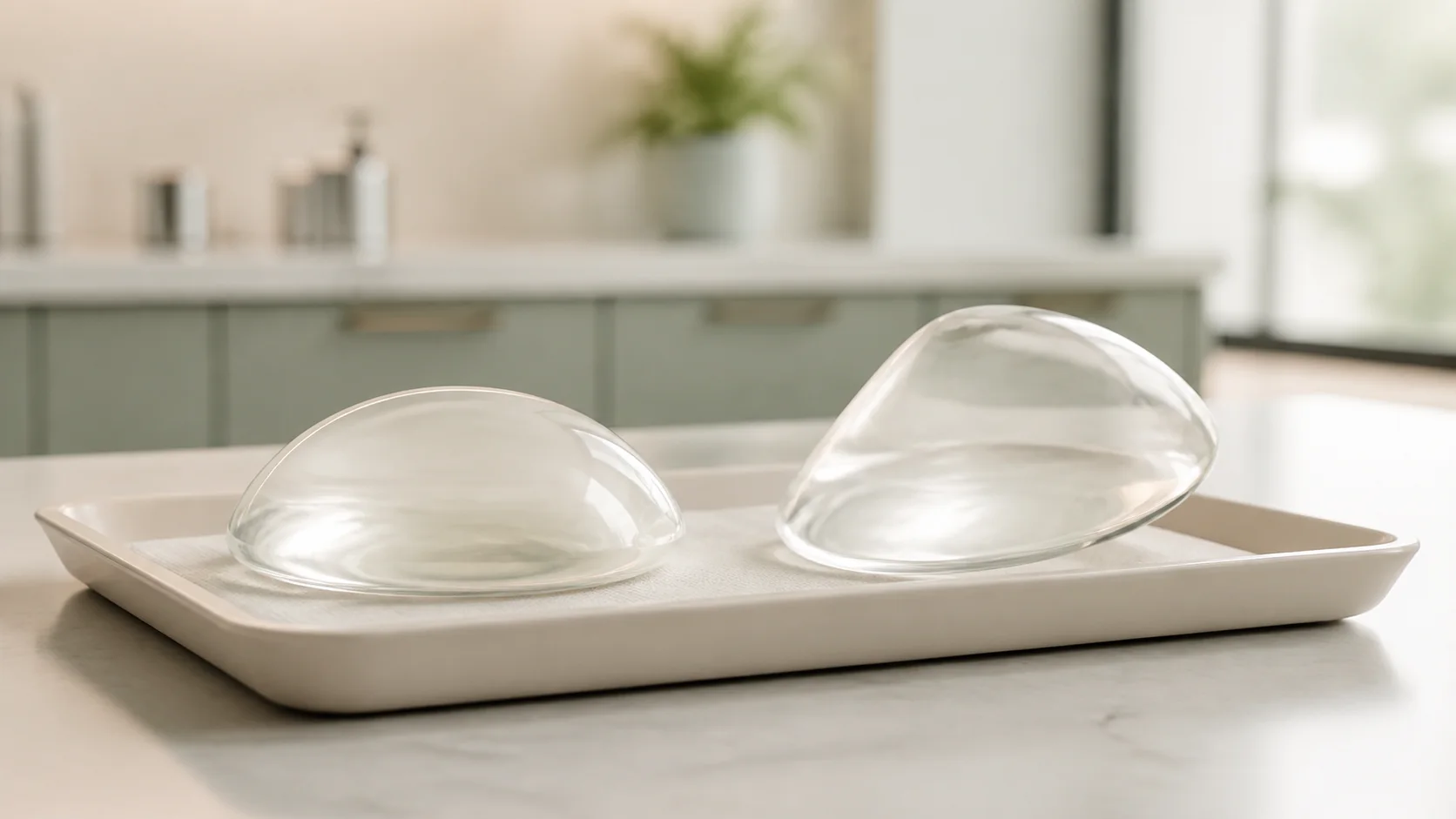
The choice of implant in breast augmentation surgery is one of the most important steps in achieving a successful outcome. In recent years, one of the implants I have most frequently chosen is the Motiva Ergonomix® 2. Thanks to their soft texture, natural movement and a range of projection options, they allow for planning tailored to the patient’s anatomy.
When selecting an implant, it is not just the volume that should be considered; the base diameter, projection, breast tissue and the patient’s expectations must all be taken into account. As even two different implants of the same volume can produce completely different results, the choice of implant must be tailored to each individual patient.
Motiva Preservé®
Motiva Preservé® is a new-generation technique designed to achieve breast augmentation with a less invasive surgical approach in a suitable patient group. Whilst it may not be suitable for every patient, it can offer advantages such as a faster recovery process and less tissue disruption for those with specific anatomical characteristics.
The suitability of this method can only be assessed following a detailed examination. A decision on whether the Preservé technique is appropriate is made by analysing the patient’s breast structure, skin characteristics and expectations.
MIA Femtech®
MIA Femtech® is an innovative procedure designed to increase breast volume using a minimally invasive approach in a specific group of patients. It may be considered, in particular, for patients who wish to achieve a smaller increase in volume and are seeking an alternative to conventional breast augmentation surgery.
However, this method is not suitable for every patient. Expectations, existing breast tissue and anatomical structure must be carefully assessed, and the method likely to yield the best results must be determined on a case-by-case basis.
Internal Bra Technique
The internal bra technique is one of the auxiliary surgical methods used, particularly in revision surgery or in patients where additional implant support is required. The aim is to help ensure that the implant remains in a more stable position over the long term and to provide additional support to the lower pole of the breast.
This technique is not routinely performed in every breast surgery. It is planned in cases where it is deemed necessary, following an assessment of the patient’s tissue quality, any previous surgeries they have undergone, and the load that the implant will exert. When performed on the right patient, it can help to ensure long-term results.
The Breast Aesthetic Surgery Process
Breast cosmetic surgery is not just about the day of the operation. For a successful and safe outcome, every stage—from pre-operative preparation and surgical planning to the operation itself, the early recovery period and regular check-ups—is of the utmost importance. To ensure our patients have a more comfortable experience throughout the process, we plan every stage in detail – from before the operation right through to the final check-up – and monitor it closely.
Pre-operative Preparation
Once a detailed pre-operative examination has been completed, the necessary blood tests and anaesthetic assessment are carried out. The patient’s medication, chronic conditions, smoking status and previous operations are reviewed. Before the operation, the choice of implant, surgical technique and expectations are discussed one final time to finalise the surgical plan.
The Day of the Operation
On the day of the operation, once you have arrived at the hospital, a final examination is carried out and the surgical markings are finalised. Although the duration of the operation, which is performed under general anaesthesia, varies depending on the procedures to be carried out, most breast aesthetic surgeries are completed in approximately 1.5–3 hours. Following the operation, our patients are closely monitored and either discharged the same day or, where deemed necessary, kept in hospital overnight.
The First Few Days and Check-ups
Mild pain, a feeling of tightness and swelling are to be expected following surgery. The first follow-up appointment is usually scheduled a few days after the operation. Subsequent appointments are planned according to the healing process. During this period, regular use of a support bra, avoiding strenuous activities and following the doctor’s advice will have a positive effect on the healing process.
Wear the support bra regularly for the recommended period.
Avoid heavy lifting and vigorous arm movements during the first few weeks.
Support your circulation by going for regular walks.
Do not miss your doctor’s appointments.
As smoking can have a negative effect on wound healing, please give it up if possible.
Bear in mind that it may take several months for the final result to become apparent.

The Recovery Process Following Breast Aesthetic Surgery
The recovery process following breast cosmetic surgery may vary depending on the type of surgery performed, the surgical technique used and the patient’s rate of tissue healing. The follow-up process following breast augmentation, breast lift, breast reduction or combined procedures is planned on an individual basis. Adhering to the doctor’s recommendations during the post-operative period, wearing a support bra regularly and attending all follow-up appointments not only speeds up the recovery process but also helps to ensure that the results are maintained for many years to come.
The First 24 Hours
Mild pain, a feeling of tightness and swelling are to be expected following surgery. These symptoms can usually be managed with prescribed medication. We recommend that our patients get up and about as soon as possible and start taking short walks. This approach both promotes circulation and contributes positively to the recovery process.
First Week
Within the first week, swelling and a feeling of tightness begin to gradually subside. Most patients are able to carry out their daily basic activities with ease, and office workers can return to work within a few days. During this period, patients should avoid heavy lifting, sudden arm movements and strenuous physical activity.
The First Month
During the first month, the breasts continue to adapt to their natural appearance. It is important to wear a support bra regularly for the recommended period. You may continue with light walks, but you should wait for your doctor’s approval before undertaking exercises that place a heavy strain on the chest muscles.
Long-Term Recovery
Although most of the post-operative swelling subsides within the first few weeks, it may take several months for the breasts to reach their final shape. During this period, the implants continue to settle, the tissues soften and the scars mature. It is important to be patient and attend scheduled check-ups regularly to ensure the best long-term results.
Frequently Asked Questions About Breast Aesthetics
Who is suitable for breast aesthetics?
People who are dissatisfied with the size, shape or sagging of their breasts, or who experience physical discomfort due to breast asymmetry, postnatal loss of volume or large breasts, may be suitable candidates for breast aesthetics. The most accurate assessment is made following a detailed examination.
Is breast cosmetic surgery painful?
Following the operation, you may experience some tightness and mild pain, particularly during the first few days. Whilst the level of pain varies depending on the type of operation and the technique used, most patients find that painkillers help them manage this period comfortably.
How long does breast cosmetic surgery take?
The duration of the operation varies depending on the procedure to be performed. The duration of a breast augmentation-only operation is not the same as that of an operation combining a breast lift and augmentation. Following the consultation, you will be given an estimate of the approximate duration based on the planned surgery.
How many days do you stay in hospital after breast surgery?
Many patients are discharged after being monitored in hospital for the same day or overnight. This period may vary depending on the extent of the operation.
When can I return to work after breast surgery?
Patients with desk-based jobs can usually return to their daily lives within a few days. For patients in jobs that require physical strength, the recovery time may be longer.
Will there be any scarring after breast surgery?
As with any surgical procedure, scarring does occur in breast aesthetics. However, the aim is to ensure that the scars are as inconspicuous as possible, thanks to the choice of incision site, the surgical technique and the wound healing process.
Will I be able to breastfeed after breast surgery?
This depends on the type of surgery performed and the technique used. In most patients, the aim is to preserve breastfeeding function, but each patient’s situation is assessed on a case-by-case basis.
Are the results of breast cosmetic surgery permanent?
The results achieved can be maintained for many years. However, natural processes such as ageing, pregnancy, breastfeeding, weight fluctuations and gravity may affect the appearance of the breasts over time.
Is it always necessary to use implants in breast surgery?
No. Implants are not always used in breast lift or breast reduction surgery. The most suitable method is determined during the consultation.
How are the prices for breast cosmetic surgery in Istanbul determined?
The scope of the operation, the technique to be used, the need for implants, the choice of hospital and the patient’s anatomical characteristics are the main factors affecting the cost. For this reason, precise pricing information can only be provided following a consultation.
What type of implant is used in breast augmentation surgery?
The choice of implant is determined by breast anatomy, the width of the ribcage, skin quality and the patient’s expectations. It is not just the volume of the implant that is assessed, but also its base diameter, projection and the shape it will provide. For this reason, the same implant is not used for every patient.
Which is more suitable: submuscular or the dual-plane technique?
There is no single correct answer to this. The placement of the implant is determined by the breast tissue, skin structure and aesthetic expectations. Nowadays, the Dual Plane technique is often preferred in many patients because it provides a natural appearance and good support.
Do breast implants need to be replaced?
Modern silicone implants do not need to be replaced routinely after a certain period of time. However, implant replacement may be necessary in the event of capsular contracture, implant rupture, a change in aesthetic expectations, or other medical reasons.
What happens if a silicone implant bursts?
The gel inside the silicone implants used today is not fluid. In the event of a rupture, the silicone generally remains within the implant or capsule. A definitive assessment is made through a doctor’s examination and, where necessary, imaging techniques.
Is it possible to breastfeed after breast augmentation?
In most patients, the aim is to preserve breastfeeding function. However, the surgical technique to be used and the existing breast structure may affect this. Patients planning to have children are advised to discuss this with their doctor before the operation.
Is there any loss of sensation following breast augmentation?
Temporary changes in sensation in the breast and nipple may occur following surgery. In most patients, this resolves over time. Permanent changes in sensation, however, are rare.
When can you start exercising after breast augmentation?
Light walking can usually be started shortly after surgery. However, it is generally recommended to wait 4–6 weeks before undertaking exercises that strain the chest muscles or engaging in strenuous sports. The exact timeframe may vary depending on the type of surgery performed.
Is it possible to travel by plane after breast augmentation surgery?
Most patients can take short flights a few days after surgery. However, it is recommended that you seek your doctor’s approval and have completed your first follow-up appointment before planning any long journeys.
Do smaller implants look more natural?
A natural appearance does not depend solely on the volume of the implant. The patient’s breast anatomy, the width of the ribcage, skin quality and the characteristics of the chosen implant also determine the outcome. Small implants, when properly planned, can produce very natural-looking results.
Is it possible to carry out 3D planning prior to breast augmentation surgery?
In centres equipped with the appropriate technology, different implant sizes and potential outcomes can be assessed prior to surgery using 3D simulation. This planning helps to ensure a more accurate understanding of the patient’s expectations.
Is it necessary to use implants in a breast lift operation?
No. If there is sufficient breast volume, a breast lift alone may be performed. If there is also a loss of volume, the insertion of implants may be recommended to achieve a fuller appearance.
Will the breasts sag again after a breast lift?
Natural processes such as ageing, pregnancy, breastfeeding, weight fluctuations and gravity can affect the appearance of the breasts over time. However, with the right surgical planning, successful results can be achieved for many years to come.
Is the nipple repositioned during a breast lift?
Yes. Depending on the degree of sagging, the nipple is repositioned to a more aesthetic and natural position. The aim is to achieve a look that is harmonious and symmetrical with the breast.
Is it possible to breastfeed after a breast lift?
Depending on the surgical technique used, the aim is to preserve breastfeeding function in many patients. However, as each patient’s anatomy is different, this issue must be assessed in detail prior to surgery.
Do the scars from a breast lift fade over time?
Yes. Surgical scars, which are more noticeable in the first few months, generally fade and become less noticeable as the wound heals. The appearance of the scars may vary depending on individual wound-healing characteristics.
Can a breast lift and breast augmentation be performed at the same time?
Yes. In patients where a loss of volume and sagging occur together, a breast lift and implant placement can be carried out during the same operation. This decision is made following a consultation.
Are the results of a breast lift permanent?
A breast lift can provide long-lasting results. However, factors such as ageing, pregnancy, breastfeeding and weight fluctuations can affect the appearance of the breasts over time. Regular weight management and healthy lifestyle habits help to maintain the results.
Does breast reduction surgery help to reduce back and neck pain?
Yes. Many patients who experience back, neck and shoulder pain caused by large and heavy breasts may see a marked reduction in these symptoms following breast reduction surgery.
Is it possible to breastfeed after a breast reduction?
Depending on the surgical technique used, the aim is to preserve breastfeeding function in many patients. However, this may vary depending on the patient’s anatomy and the method to be used.
Is sensation in the nipple preserved during breast reduction surgery?
In most patients, sensation in the nipple is preserved. However, temporary changes in sensation may occur following surgery. Permanent loss of sensation, on the other hand, is a rare complication.
Is the tissue removed during breast reduction surgery examined?
Yes. The breast tissue removed during breast reduction surgery is sent for pathological examination. If pre-operative imaging shows no signs of pathology, it may not be examined.
Can the breasts grow back after a breast reduction?
An increase in breast volume may occur following excessive weight gain, pregnancy or hormonal changes. However, the reduction achieved by the operation can be maintained for many years.
Does breast reduction help with weight loss?
Breast reduction is not a weight-loss operation. However, as the restricted mobility associated with large breasts is reduced, some patients may be able to adopt a more active lifestyle following the operation.
Why is breast revision surgery performed?
Breast revision surgery may be performed for reasons such as implant replacement, capsular contracture, asymmetry, implant displacement or a change in aesthetic expectations.
What is capsular contracture?
Capsular contracture is the hardening over time of the capsular tissue forming around the implant, which then constricts the implant. Whilst monitoring may be sufficient in mild cases, surgical treatment may be required in more severe cases.
When is it necessary to have breast implants replaced?
Implants are not routinely replaced after a certain period of time. However, replacement may be planned if a problem develops with the implant or if the patient’s expectations change.
Are old silicone implants safe?
Nowadays, many older implants continue to function without any problems. However, the condition of the implant should be assessed through regular check-ups with a doctor, and imaging techniques should be used where deemed necessary.
Is revision surgery more difficult than the initial operation?
Yes. As revision surgery requires an assessment of the existing implant, the capsular tissue and the effects of the previous operation, it generally requires more detailed planning than the initial operation.
What is the recovery process like after revision surgery?
The recovery process varies depending on the extent of the procedure. Although most patients are able to resume their daily lives within a short time, it is important to follow the doctor’s advice to ensure a full recovery.
Can the ‘internal bra’ technique be used in revision surgery?
Yes. In some patients where tissue support is insufficient or where the implant requires better support, the internal bra technique may be used. This method is not necessary for every patient.
Can a mammogram be carried out after breast cosmetic surgery?
Yes. Breast cosmetic surgery does not prevent you from having a mammogram. It is sufficient to inform the radiology team that you have implants before the scan.
Does breast cosmetic surgery increase the risk of breast cancer?
No. There is no strong scientific evidence to suggest that the silicone implants currently in use increase the risk of breast cancer. Regular breast check-ups, however, remain important for every woman.
Does smoking affect the recovery process?
Yes. Smoking can impair circulation, thereby adversely affecting wound healing and increasing the risk of complications. It is therefore recommended that you give up smoking both before and after surgery.
Can people with diabetes undergo breast cosmetic surgery?
Many people with diabetes whose blood sugar is under control may undergo breast cosmetic surgery following a suitable assessment. The surgery is planned according to the individual’s health condition.
Can people planning a pregnancy have breast cosmetic surgery?
Yes. However, if you are planning to become pregnant in the near future, it is important to discuss this with your doctor before the operation. Pregnancy and breastfeeding can change the appearance of the breasts over time.
Can you go out in the sun after breast surgery?
You can return to your daily routine after the operation, but it is recommended that you avoid exposing the surgical scars to direct sunlight during the first few months. Protecting yourself from the sun helps the scars to heal better.
Is massage necessary after breast surgery?
This depends entirely on the surgical technique used and the type of implant. Massage is not recommended for every patient. Whether it is necessary should be assessed under the supervision of a doctor.
How long should a support bra be worn for?
Although the duration of support bra use varies depending on the type of surgery performed, it is generally recommended that it be worn regularly for the first 4–6 weeks.
When does the swelling subside after breast surgery?
Most of the swelling subsides within the first few weeks. However, it may take several months for the breasts to take on their final shape and for the tissues to soften completely.
When can the final results be seen following breast surgery?
Although the initial changes are noticeable immediately after the operation, it usually takes 3–6 months for the swelling to subside completely and for the breasts to regain their natural shape.
Informative Video on Breast Augmentation Surgery
Learn about the breast augmentation procedure, the implants used and the recovery stages, as explained by Dr Sarper Mete.
What is the ‘Yoga Breast’? An Explanation of the Natural and Sporty Breast Enlargement Trend
In this video, I explain the details of the ‘Yoga Breasts’ trend, which is a natural, sporty and minimal-volume approach to breast enhancement.
Megan Fox’s Breast Aesthetic Journey: Three Operations, Three Different Periods
In this video, I discuss the breast augmentation surgeries Megan Fox underwent across three distinct periods, the changes in her appearance during each period, and which breast augmentation approaches these styles correspond to.
A Kylie Jenner-Inspired High-Cut Top and Full Decolletage Look
In this video, I explain how the more pronounced upper pole and feminine breast contour – features we often see in the Kylie Jenner look – are planned, and how this effect is achieved through implant selection.
Prices for breast aesthetics may vary depending on the type of surgery to be performed, the need for implants, hospital conditions, the anaesthesia process and the patient’s anatomical requirements. The most accurate planning and pricing information is determined following a consultation.