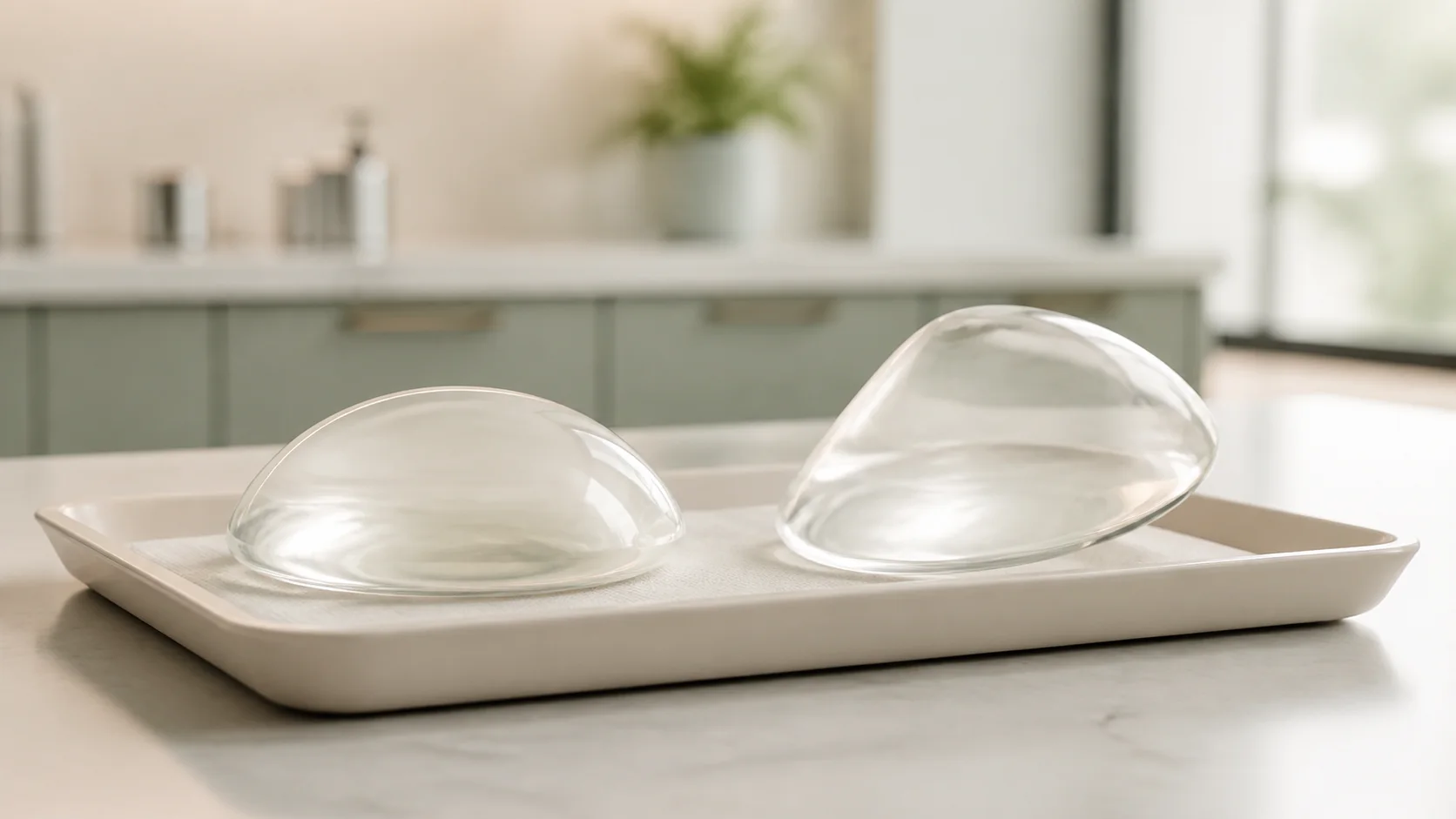
BEFORE BREAST AUGMENTATION
What You Need to Know Before Breast Augmentation Surgery
Explore a clear, practical roadmap from your first consultation to the morning of surgery.

Why Did I Write This Post?
“I’ve decided to have breast augmentation surgery. What sort of process can I expect now?”
This is one of the questions I hear most frequently from my patients during consultations.
The pre-operative preparation process is just as important as the operation itself. Smoking, regular medication, the tests to be carried out and the details to bear in mind on the day of the operation can directly affect both your safety and your recovery process.
In this article, I will explain step by step all the important points you need to know before breast augmentation surgery.
What Will You Learn on This Page?
✓ What is assessed during the initial examination?
✓ What tests are required?
✓ Why are cigarettes and nicotine important?
✓ When should blood-thinning medication be stopped?
✓ Can vitamins and herbal supplements be taken?
✓ What can you expect on the day of your operation?
✓ What should you bring with you when you come to the hospital?
What Is Assessed During the Initial Consultation Before Breast Augmentation Surgery?
The most important stage in planning an operation is the initial consultation.
During this consultation, it is not just your breast measurements that are taken; your expectations, lifestyle and state of health are also assessed together.
The following topics are usually discussed during the examination:
- Breast volume and shape
- Whether there is any sagging
- Position of the nipple
- Skin elasticity
- Chest width
- Whether there is any asymmetry between the two breasts
- Previous operations
- History of pregnancy and breastfeeding
- General state of health
Based on the results of this assessment, a decision is made not only regarding the volume of the implant, but also on the most suitable surgical plan for you.
If you’re still not sure whether breast augmentation is the right choice for you, you might also want to take a look at our guide, ‘Should I Have Breast Augmentation?’.
What Tests Are Carried Out Before Surgery?
Not every patient requires the same tests.
The necessary assessments are carried out depending on your age, state of health and the planned operation.
These include:
- blood tests,
- anaesthetic assessment,
- an ECG in patients where deemed necessary,
- chest X-ray,
- breast ultrasonography for every patient, with mammography added from age 40
These assessments are reviewed together with your medical history and the planned operation.
The aim is not merely to carry out the operation, but to plan it in the safest possible way.
If You Smoke, Why Is It Recommended That You Give It Up Early?
Smoking is one of the most significant factors that can adversely affect wound healing.
Nicotine can reduce blood flow to the skin and breast tissue. This can lead to;
- delayed wound healing,
- an increased risk of infection,
- more visible or widened scars,
- problems relating to skin circulation, albeit rare
For this reason, I recommend stopping smoking and nicotine products around three weeks before surgery whenever possible. For heavy smokers, abrupt cessation may create significant psychological difficulty; in such cases, a substantial reduction is still essential and the plan should be discussed individually. Avoiding nicotine during recovery also supports wound healing.
Which Health Changes Should You Report Before Surgery?
Tell the surgical team about fever, a new respiratory illness, a new infection or wound, possible pregnancy, a newly started medicine, allergies, previous anaesthetic problems or any important change in your health. These findings do not automatically cancel surgery; they allow the surgical and anaesthesia teams to assess timing safely.
How Should Medicines, Blood Thinners and Supplements Be Planned?
Every medicine you take is important in relation to your operation.
In particular;
- blood-thinning medicines,
- products containing aspirin,
- certain rheumatology medicines,
- diabetes medicines,
- blood pressure medicines,
- contraceptive pills,
- herbal products and food supplements
may affect the planning of the operation.
You must not stop taking or change any medication on your own. Where necessary, a plan will be drawn up in consultation with your relevant specialist.
Vitamins and Herbal Supplements May Seem Harmless
Many patients may forget to mention the vitamins or herbal products they are taking because they do not regard them as medicines.
However, some dietary supplements;
- may increase the risk of bleeding,
- may interact with other medicines,
- It may affect post-operative recovery.
It is therefore important that you mention all the supplements you take regularly during your consultation.
Ozempic, Mounjaro and Other GLP-1 Medicines Before Surgery
Why Must Your Surgeon and Anaesthesia Team Know?
Semaglutide, tirzepatide and similar GLP-1/GIP medicines may delay stomach emptying and affect fasting and anaesthesia planning. Tell both teams why you use the medicine, your dose and schedule, any recent dose increase, and whether you have nausea, vomiting, reflux or marked bloating.
Is the Plan Different for Weight Loss and Diabetes Treatment?
In Dr Mete’s elective surgical practice, patients using these injections solely for weight loss rather than diabetes treatment are commonly asked to plan a 3–4-week pause before surgery. This is a practice-specific approach, not a universal instruction. If the medicine was prescribed for diabetes or another medical reason, do not stop or change it without an individual plan agreed with the prescribing clinician and anaesthesia team.
Breast Augmentation Pre-Op Checklist
Review medicines and supplements, fasting instructions, transport, home support and any health changes before admission. Arrange time away from work and place frequently used items within easy reach at home.
What Should You Bear in Mind the Day Before Your Operation?
The 24 hours immediately prior to surgery are important both for surgical safety and for ensuring a comfortable recovery.
During this process, you must follow the instructions given by your doctor and the anaesthesia team.
In general, the points to bear in mind are as follows:
- Unless your anaesthesia team gives different instructions, stop eating and drinking for the specified 6–8-hour fasting period.
- Follow your doctor’s advice regarding any regular medication you need to take.
- Do not drink alcohol.
- Try to get a good night’s sleep.
- When coming to the hospital, please wear clothes that are easy to put on and take off.
As every patient’s medical condition is different, personalised recommendations are always a priority.
Why is it necessary to fast before surgery?
For operations carried out under general anaesthesia, you must fast for a certain period to reduce the risk of stomach contents entering the lungs.
You will therefore be given a specific fasting period tailored to your operation time.
Unless your doctor or the anaesthesia team advises otherwise, you must strictly adhere to this rule.
Can Breast Augmentation Surgery Be Performed During Your Period?
I’m asked this question quite often.
In most cases, having your period is not, in itself, an obstacle to breast augmentation surgery.
However, in some patients, breast tenderness may increase during this time, or the patient may feel more tired.
For this reason, it would be helpful to let us know your menstrual cycle when planning your surgery date.
What Should You Know on the Day of Breast Augmentation Surgery?
What Should You Bring With You When You Go to the Hospital?
On the day of your operation, you simply need to make sure you are as comfortable and well-prepared as possible.
The essential items I recommend you bring with you are as follows:
- ID card or passport
- Any previous tests you have had (if requested)
- A list of the medicines you take regularly
- Comfortable, front-buttoned or zipped garments
- Personal care items (if you are planning to stay for one night)
It would be safer to leave your jewellery and valuables at home, if possible.
Plan transport and support at home in advance. Patients having a Preserve procedure may go home the same day because it does not require general anaesthesia, but a responsible adult must accompany them because sedation is used. For procedures under general anaesthesia, an overnight stay is routinely assessed.
What Should You Remove Before Surgery?
It is recommended that you arrive without make-up on the day of your operation.
Also:
- nail varnish,
- false eyelashes,
- contact lens,
- jewellery,
- piercings
Nail varnish, false or acrylic nails, false eyelashes, contact lenses, jewellery and piercings should be removed before surgery. Artificial nails can interfere with oxygen monitoring; contact lenses and false eyelashes can compromise eye safety during anaesthesia. Jewellery and piercings must also be removed.
What Can You Expect on the Morning of Your Operation?
Once your hospital admission procedures have been completed, you will be taken to your room and the nursing team will make the necessary preparations.
Before the operation, I will examine you again and mark the necessary lines on your body whilst you are standing, in line with the planned breast shape.
Your anaesthetist will then carry out a final assessment, and once all preparations are complete, we will proceed to the operation.
I always set aside time during this process for you to ask any final questions you may have. It is important to me that you feel relaxed and ready for the procedure before we begin.
Realistic Expectations and Psychological Preparation Before Surgery
A successful breast augmentation operation is not merely a procedure carried out to a high technical standard.
It is also of great importance that expectations are discussed openly prior to the operation.
Among the topics we assess together during the consultation are:
- target breast volume,
- the characteristics of the implant to be used,
- your body proportions,
- your skin type,
- your existing breast tissue
All of these factors are considered together.
My aim is not simply to replicate a breast shape or result you have seen online, but to plan a result that is in harmony with your body type, looks natural, and will keep you happy for many years to come.
I have explained in more detail on our Breast Augmentation Surgery page how to choose an implant and which factors influence our decision.
How Should You Prepare Yourself Mentally?
Pre-operative preparation is not merely physical.
Understanding how the process will unfold, being prepared for the recovery period and setting realistic expectations are just as important as the medical preparations.
For this reason, I provide my patients with as much information as possible, explaining every stage of the recovery process in detail, starting from before the operation.
A well-planned preparation process often has a positive impact on post-operative comfort as well.
Frequently Asked Questions
How many days before breast augmentation surgery should you stop smoking?
Smoking can have a negative effect on wound healing and circulation. It is therefore recommended that you give up smoking a few weeks before your operation, if possible, and that you do not smoke during the recovery period. The specific timeframe for you will be determined during your consultation, following an assessment of your health.
Should I stop taking the medicines I take regularly?
No. You must not stop taking any medication on your own. You must inform your doctor of all the medicines you take regularly during your consultation. Where necessary, a safe treatment plan will be drawn up in consultation with your relevant specialist.
Should blood-thinning medication be stopped before surgery?
It may be necessary to temporarily stop taking certain blood-thinning medicines before surgery. However, this decision must be made jointly by the doctor who prescribed the medicine and your surgeon.
Can I have breast augmentation surgery whilst on my period?
In most cases, yes. Having your period is not in itself a contraindication for surgery. However, it would be helpful if you could provide information about your menstrual cycle when planning your surgery date.
Is a mammogram or ultrasound required before the operation?
It is not necessary for every patient. The decision as to which imaging methods are required is made based on your age, family history, breast examination and current symptoms.
Should I lose weight before the operation?
If you are planning to lose a significant amount of weight, it may be better to do so before the operation. This is because major changes in weight can affect the shape of the breasts after the operation.
Can I exercise before breast augmentation surgery?
Yes. Regular exercise is beneficial for your general health. However, as the day of your operation approaches, it is important to follow your doctor’s advice.
Can I have a shower on the morning of the operation?
It is generally recommended that you have a shower on the morning of your operation. However, you are asked not to use products such as lotions, creams, deodorants and perfumes.
Can I wear make-up on the day of the operation?
No. You are advised to arrive without make-up on the day of your operation. You should also remove any nail varnish, jewellery, piercings and contact lenses before the operation.
What sort of clothes should I wear before the operation?
Choosing comfortable clothing that is easy to put on and take off – whether it fastens at the front with buttons or a zip – will make you more comfortable after your operation.
Is the implant selected during the initial consultation?
For most patients, yes. During the consultation, your breast structure, chest width, skin quality and expectations are all assessed together to plan the implant options that are right for you.
If you would like more detailed information on choosing implants, you can also take a look at our Breast Augmentation Surgery page.
Is psychological preparation important before breast augmentation surgery?
Yes. The decision to undergo surgery being made of the person’s own free will, having realistic expectations and a proper understanding of the process are key factors in achieving a successful outcome.
When Should I Stop Ozempic or Mounjaro Before Surgery?
Do not stop it on your own. Timing depends on why it was prescribed and on the anaesthesia plan. For injections used solely for weight loss, Dr Mete generally prefers a planned 3–4-week pause before elective surgery; medically prescribed treatment requires coordination with the prescribing clinician.
Does GLP-1 Use Change Fasting Instructions?
It may. These medicines can delay stomach emptying, so the anaesthesia team may individualise fasting instructions, especially after a recent dose increase or when gastrointestinal symptoms are present.
Conclusion
The success of breast augmentation surgery does not depend solely on the surgical procedure carried out on the day of the operation. A well-planned preparation process is also one of the key factors in ensuring a safe operation and a comfortable recovery period.
Starting with the initial consultation, assessing your health, discussing your expectations in detail and ensuring that all pre-operative preparations are completed thoroughly helps to achieve safer and more predictable outcomes.
Throughout my approximately 15 years of practice in plastic surgery, I have observed that my patients experience the smoothest recovery processes when they have a good understanding of the procedure beforehand and carefully follow the pre-operative preparation advice.
For this reason, I consider every detail leading up to the operation to be just as important as the operation itself.
Stay up to date